Roy L. Austin Jr. on Why Faster Doesn't Mean Better
Part of our Responsible Tech Voices series, featuring leaders from All Tech Is Human’s 2026 Responsible Tech Guide.
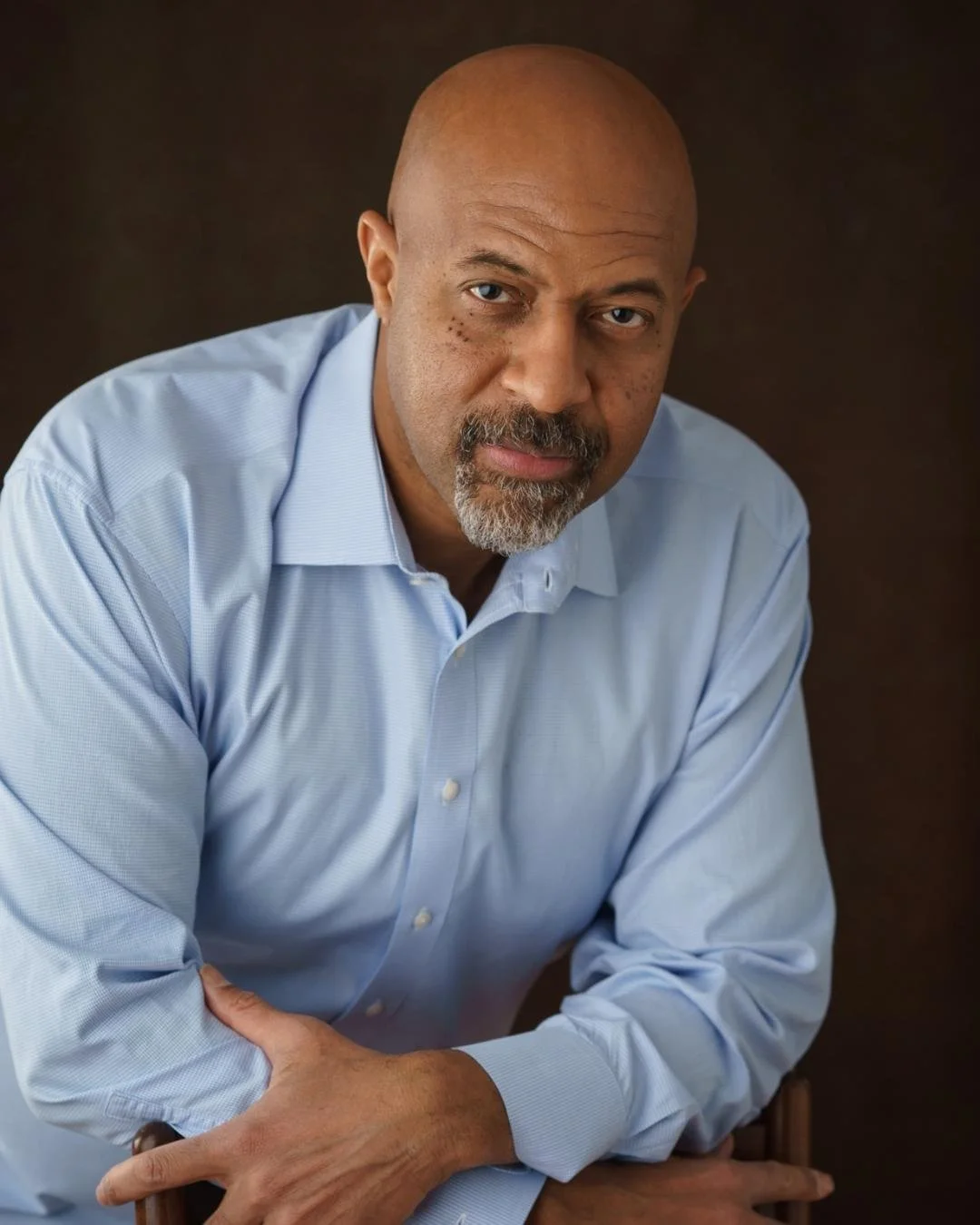
For more than thirty years, Roy L. Austin Jr. has worked as a civil rights attorney and advocate, from the U.S. Department of Justice to the Obama White House to building Meta's civil rights team. Now Director of the Howard Law Artificial Intelligence Initiative, he's preparing the next generation to lead civil rights work in the age of AI.
How did you get here?
I've been a civil rights attorney and advocate for over 30 years - government, private practice, in house, and now academia - from DOJ to the Obama White House to Meta Civil Rights to, now, the Howard Law AI Initiative. In many ways, every step led me here because the unmatched civil rights tradition at Howard Law made my career possible. This is my opportunity to give back to the institution that opened doors for every Black lawyer and to share my experiences with the next generation who will lead the future of civil rights work in the age of AI. My advice: follow your North Star at every step; always be willing to put in the hours; and take risks when new opportunities present themselves.
What fields intersect in your work?
AI does not live in a silo. It touches every field. If done responsibly, it can benefit all fields, but if done irresponsibly, it will hurt all of us. Whether called responsible tech, ethical tech, civil rights tech, or human rights tech, it must bring together differing expertise. When I built the Civil Rights team at Meta, I had leaders in product, policy, democracy, technology, and safety. I am seeing the same needs now at Howard where I work with technologists, researchers, teachers, organizers, and policy experts. A lawyer alone cannot audit an algorithm. A technologist alone is unlikely to see disparate impact. All need to hear directly from the communities the work will impact. Each perspective is essential to technology that is centered on human success and happiness.
What's one action you'd like to see?
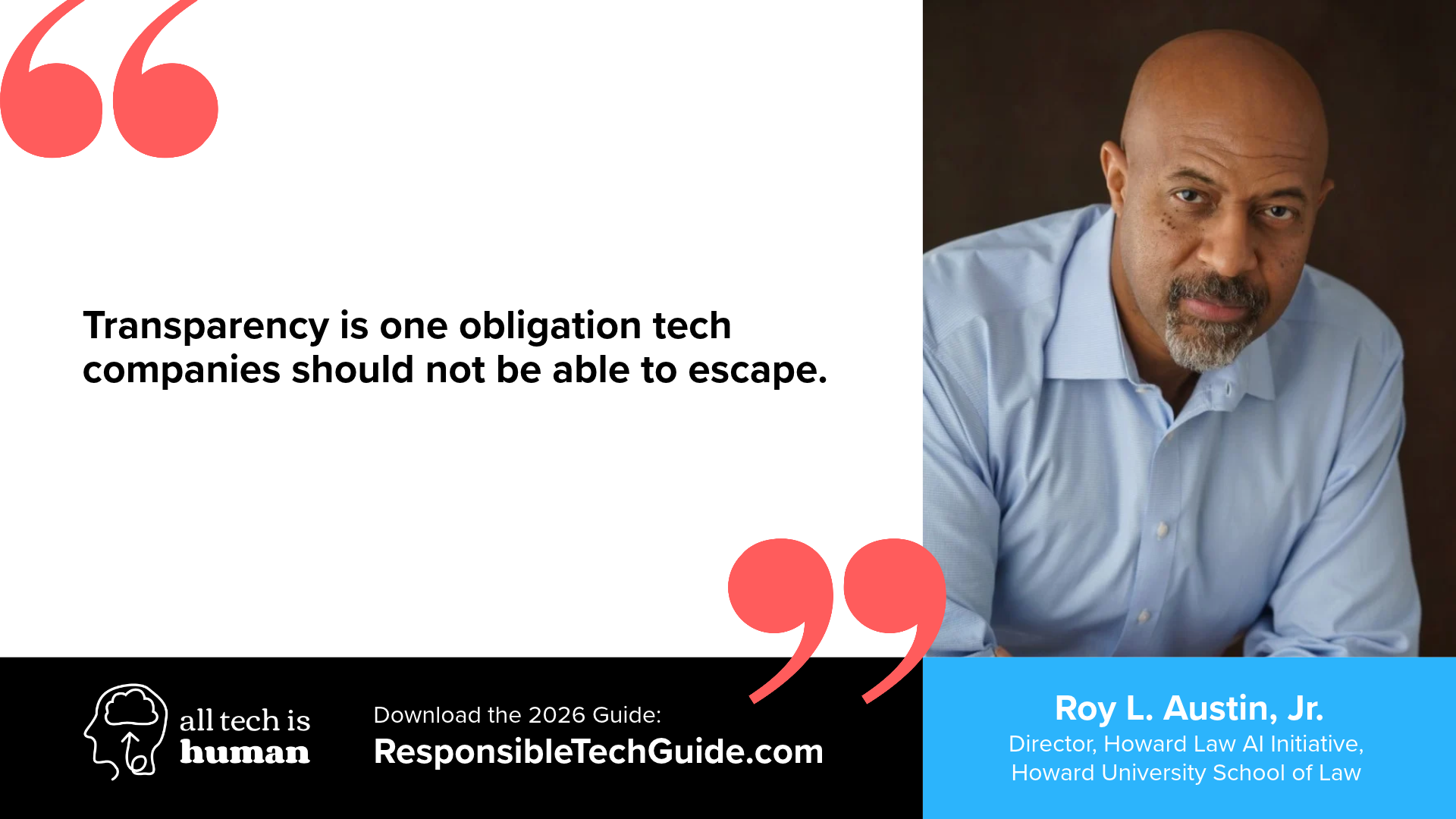
Transparency is one obligation tech companies should not be able to escape. First, tech companies know their environmental impact and they should tell the world specifically and in consistent language just how much energy, whether fossil fuels, nuclear, wind or solar, they are using. Second, AI companies should tell us specifically what their training data is and whether it was taken with permission from credible sources. And third, they should broadly reveal what they are doing to enhance safety, not just cybersecurity but mis- and disinformation, bias, and youth safety. We need regulations to ensure that all of this is independently audited and regularly published.
What does a better tech future look like to you?
Human-looking robots were recently shown to be able to run faster than Usain Bolt. Someone sarcastically commented online that their car is also faster than Usain Bolt. I continue to reflect on that comment because machines often outperform humans, but faster does not automatically mean better. A better tech future is a future that recognizes and uplifts human uniqueness. A better tech future will be used primarily to address wealth inequality, health, housing, climate, and inequity, and not exacerbate those problems. It is also a future without a digital divide. We should measure technology by how many it lifts and not by how fast it goes.
Learn more about the Howard Law Artificial Intelligence Initiative here. Want more perspectives like this? Read the full Responsible Tech Guide, where this interview was featured.