Kevin Barenblat on the Funding Gap Holding Back AI for Good
Part of our Responsible Tech Voices series, featuring leaders from All Tech Is Human’s 2026 Responsible Tech Guide.
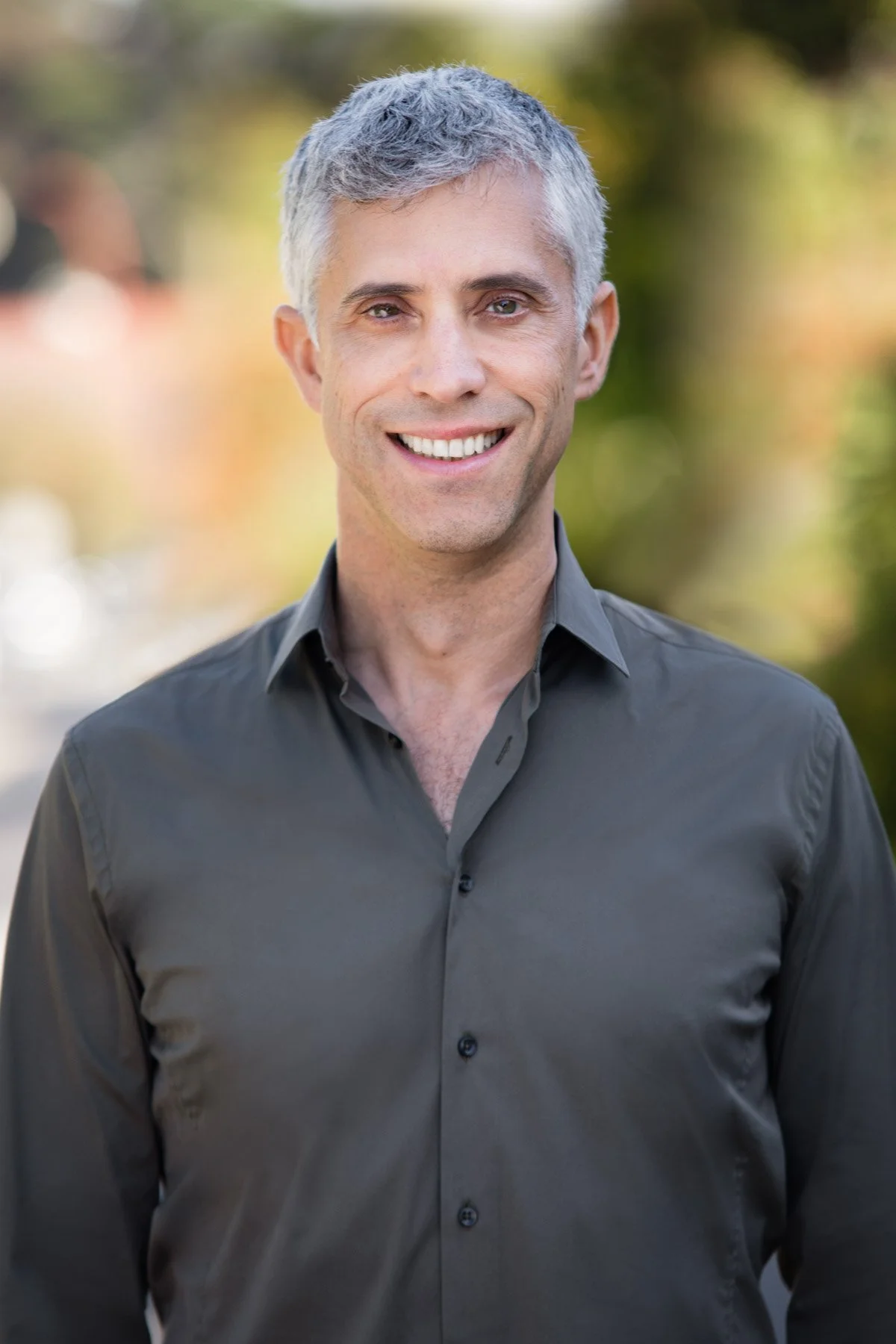
Kevin Barenblat studied engineering at Stanford and fell hard for Silicon Valley's brand of innovation, until a deeper question took hold: who is technology for? In 2014 he co-founded Fast Forward, which invests in tech nonprofit entrepreneurs and helped build the tech nonprofit sector. Today, as Co-Founder and President, he's focused on making sure the organizations closest to communities have a real say in how AI gets built.
How did you get here?
After studying engineering at Stanford, I fell in love with Silicon Valley-style innovation and entrepreneurship. That feeling guided me for years until I found myself asking a deeper question: who is technology for? I wondered if technology and social impact didn’t have to be separate pursuits. That question led me to found Fast Forward in 2014, and to help build up the tech nonprofit sector. Ever since, I’ve advised founders that responsible innovation starts with a values-first mindset: listen to the people closest to the problem, understand what they need, and build from there.
What fields intersect in your work?
Fast Forward works at the intersection of nonprofits and tech. For-profit tech companies have a well-established path for scale, but tech nonprofits face a different reality. They often struggle to access the early capital and technical support needed to grow. Fast Forward’s job is to bridge that gap by investing in tech nonprofit entrepreneurs and giving them the support to succeed.
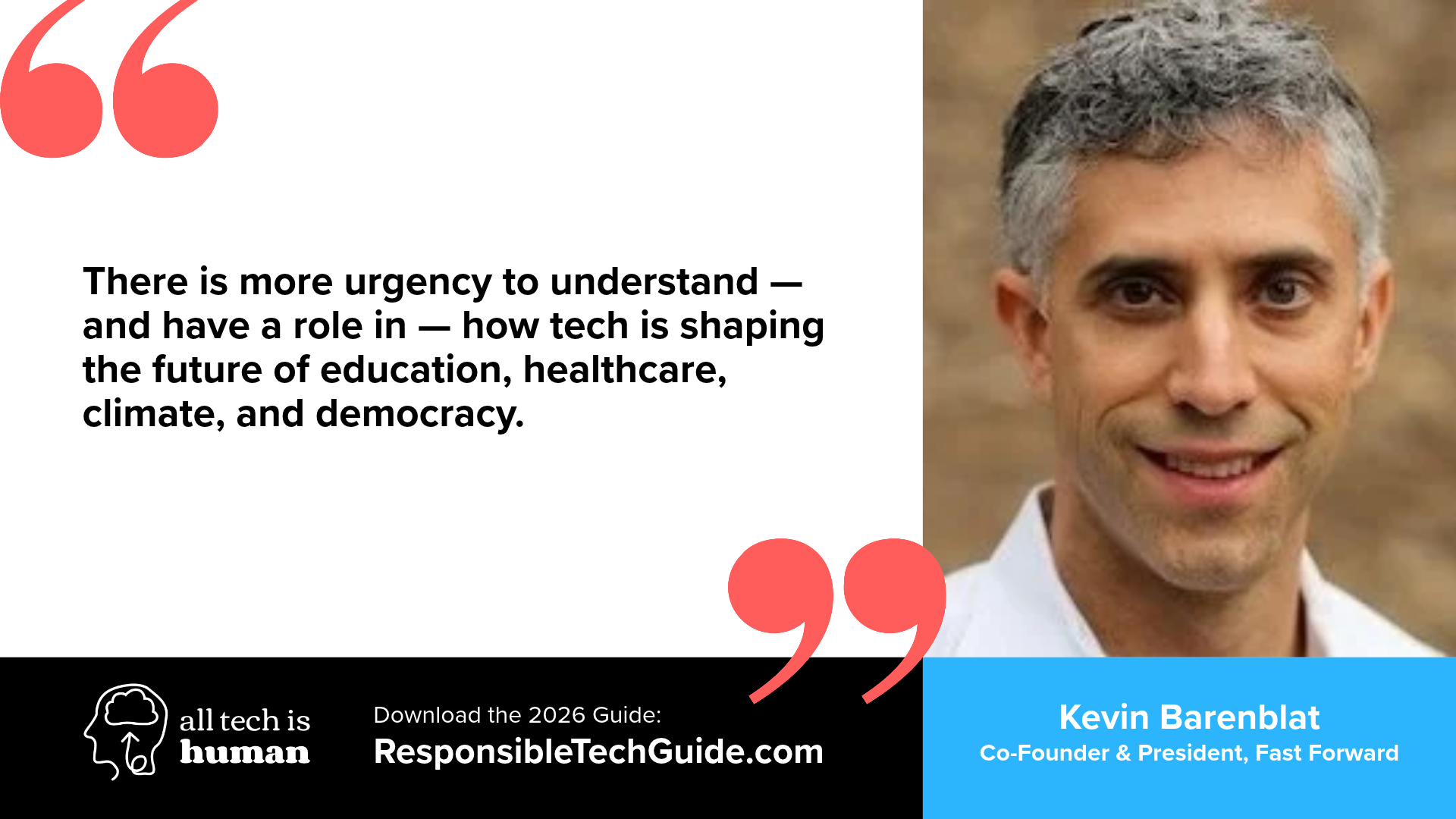
We’ve always been interdisciplinary. But now, because of AI, the intersection isn't just tech and nonprofits. It's also responsibility and governance. There is more urgency to understand — and have a role in — how tech is shaping the future of education, healthcare, climate, and democracy. Nonprofits need a seat at the table to decide how AI is built, who builds it, for whom, and according to what values.
What's one action you'd like to see?
The AI conversation recently shifted from “what can we build?” to “what should we build?” It’s a perspective tech and AI-powered nonprofits understand at a foundational level. These organizations build with a values-first mindset, in partnership with communities on the ground. But they need resources to do more good in the world. Fast Forward's 2026 AI for Humanity Report found that AI is helping AI-powered nonprofits personalize support for their beneficiaries and reach people in new languages and formats. But adopting AI responsibly costs money, which they don’t always have. Among those piloting or scaling an AI solution, 90% of respondents have a plan to scale. Only 24% have the resources to execute that plan. That’s a funding gap, leaving opportunity on the table to address real needs.
What does a better tech future look like to you?
I envision a future where technology is built by mission-driven leaders and used for the benefit of humanity. At Fast Forward, we call this work "AI for Humanity.” It is an aspiration, not an assumption. AI-powered nonprofits show us what it looks like in practice: technology shaped by community needs, accountable to the people it serves, and built for impact.
Learn more about Fast Forward here. Want more perspectives like this? Read the full Responsible Tech Guide, where the interview was featured.