Jenny Lay-Flurrie on "Speed, with Conscience"
Part of our Responsible Tech Voices series, featuring leaders from All Tech Is Human’s 2026 Responsible Tech Guide.
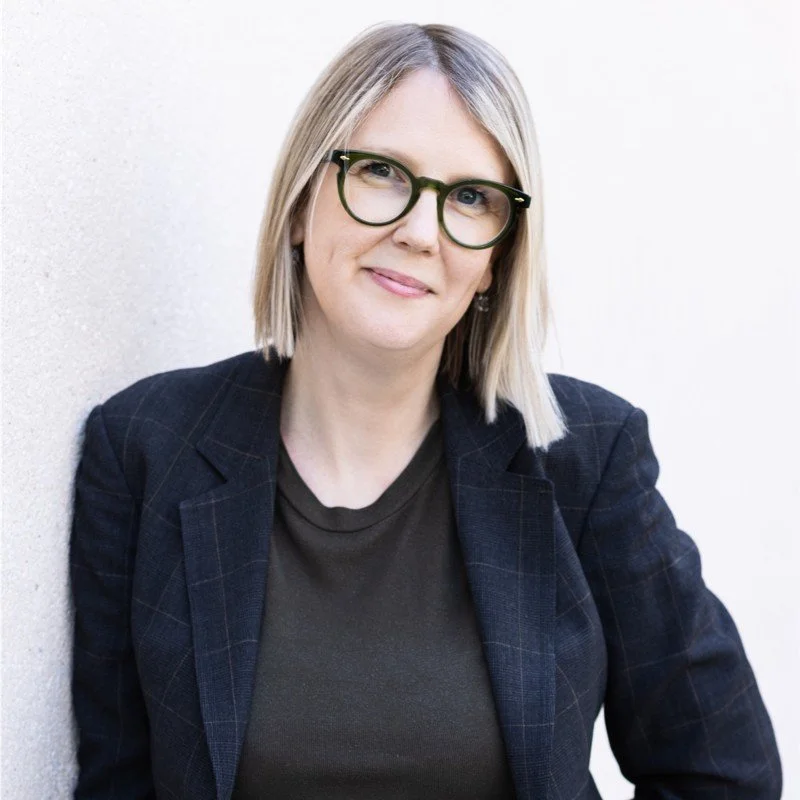
Jenny Lay-Flurrie joined Microsoft in customer support, became its Chief Accessibility Officer in 2015, and now serves as Corporate Vice President of the Trusted Technology Group, spanning accessibility, privacy, digital safety, human rights, and resilience. Her guiding question has stayed the same throughout: how can technology empower all people to use it with confidence?
How did you get here?
The thread through my career has always been helping people get the most out of technology. I joined Microsoft supporting consumers and advertisers, learning to listen, solve problems and understand what people need. In 2015, I became Chief Accessibility Officer. This year, I began leading our Trusted Technology Group, spanning accessibility, privacy, digital safety, human rights and resilience. The question remains the same: how can we empower all people to use technology with confidence? My teenage self would be surprised. I wanted to be a classical musician! My advice is to stay open to possibilities, stay close to the people you serve and listen when feedback is uncomfortable. Be curious and follow what you enjoy. I’ve followed my love of people, hard problems and possibilities.
What has surprised you most along the way?
Every day I learn something new. That still surprises me and it’s what makes working in technology so special. Technology keeps changing but the questions people ask are often the same: does it work for me, can I trust it, & where do I go for help? Customer support taught me to listen rather than assume. If someone says something isn’t working, understand why, don’t tell them why it should work. That lesson has stayed with me in every role. I’m also surprised by how much you learn when looking beyond your own experience. Being deaf & disabled shapes how I see things but it doesn’t mean I know what every disabled person needs. Building products that work for everyone starts with curiosity, not assumptions. And what others may see as a barrier can bring a perspective that is a real strength
Why do those intersections matter?
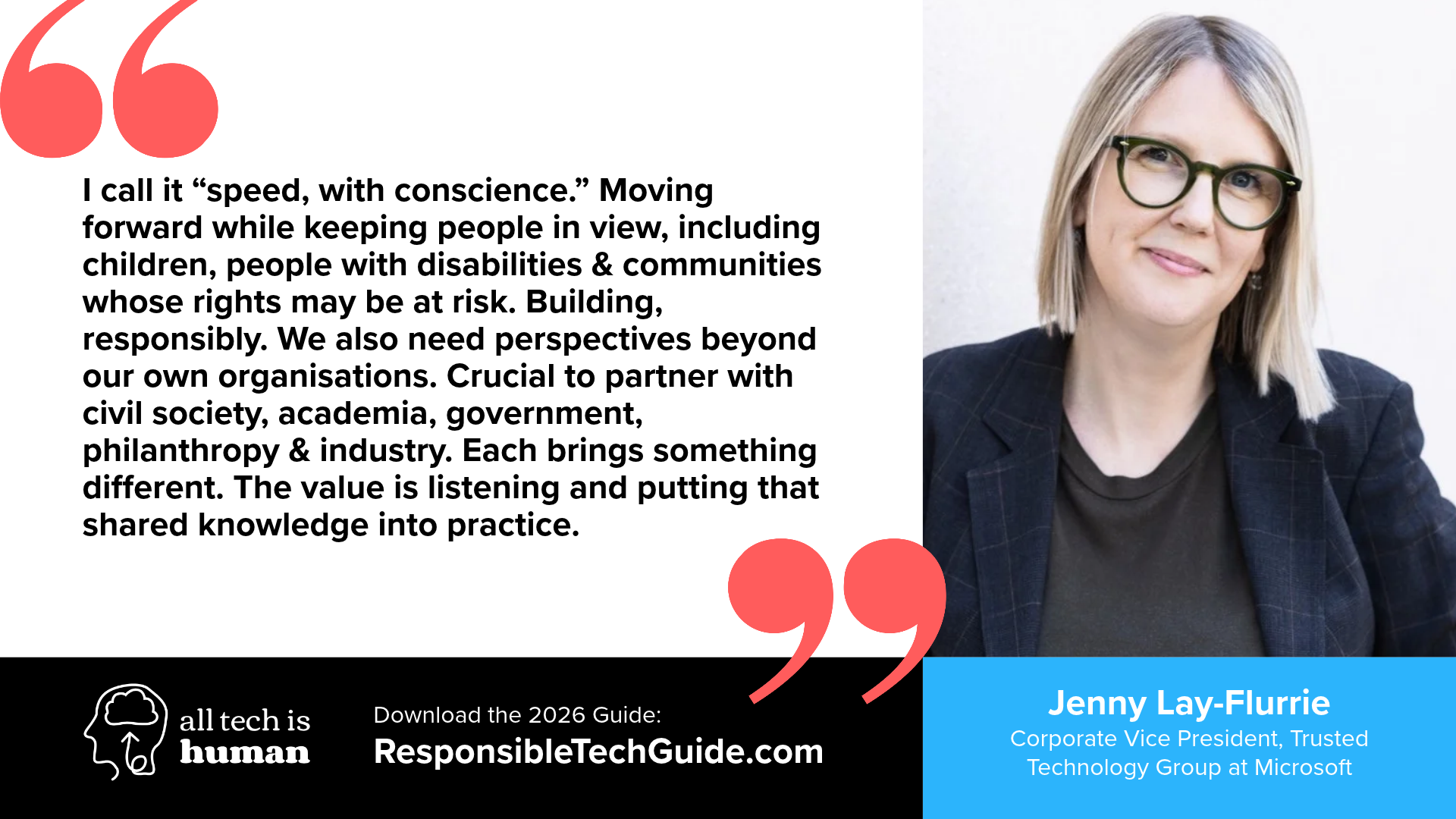
People don’t experience technology in separate buckets marked privacy, safety or accessibility. They want to know: does it help me, am I in control, and can I trust it? A tool that makes life easier but exposes someone to harm isn’t good enough. Neither is a safeguard that shuts people out. That’s why these disciplines need to work together, not in isolation. I call it “speed, with conscience.” Moving forward while keeping people in view, including children, people with disabilities & communities whose rights may be at risk. Building, responsibly. We also need perspectives beyond our own organisations. Crucial to partner with civil society, academia, government, philanthropy & industry. Each brings something different. The value is listening and putting that shared knowledge into practice.
What's one action you'd like to see?
Give the people whose lives technology will affect a meaningful role in shaping it, early enough to change the decisions. That could mean learning from disabled and Indigenous communities as we develop AI language and captioning tools, or working with survivors and organisations to tackle harmful image-sharing. We need more practical collaboration, bringing lived experience and expertise together to solve real human problems.
What does a better tech future look like to you?
Technology that helps more people do what they want to do, safely and with confidence. Our north star is to empower every person and every organisation. I’m proud to work alongside people who are turning that ambition into practice, extending the benefits of technology while preventing and reducing harm.
For me, it’s also personal. Technology should remove barriers, advance equity and make everyday tasks quicker and easier. A better tech future gives people more opportunity, more independence and more say in their own lives. That’s the outcome worth working towards.
Learn more about Jenny here. Want more perspectives like this? Read the full Responsible Tech Guide, where this interview was featured.