Baroness Joanna Shields on Keeping Humans in Charge of the Human Transition
Part of our Responsible Tech Voices series, featuring leaders from All Tech Is Human’s 2026 Responsible Tech Guide.
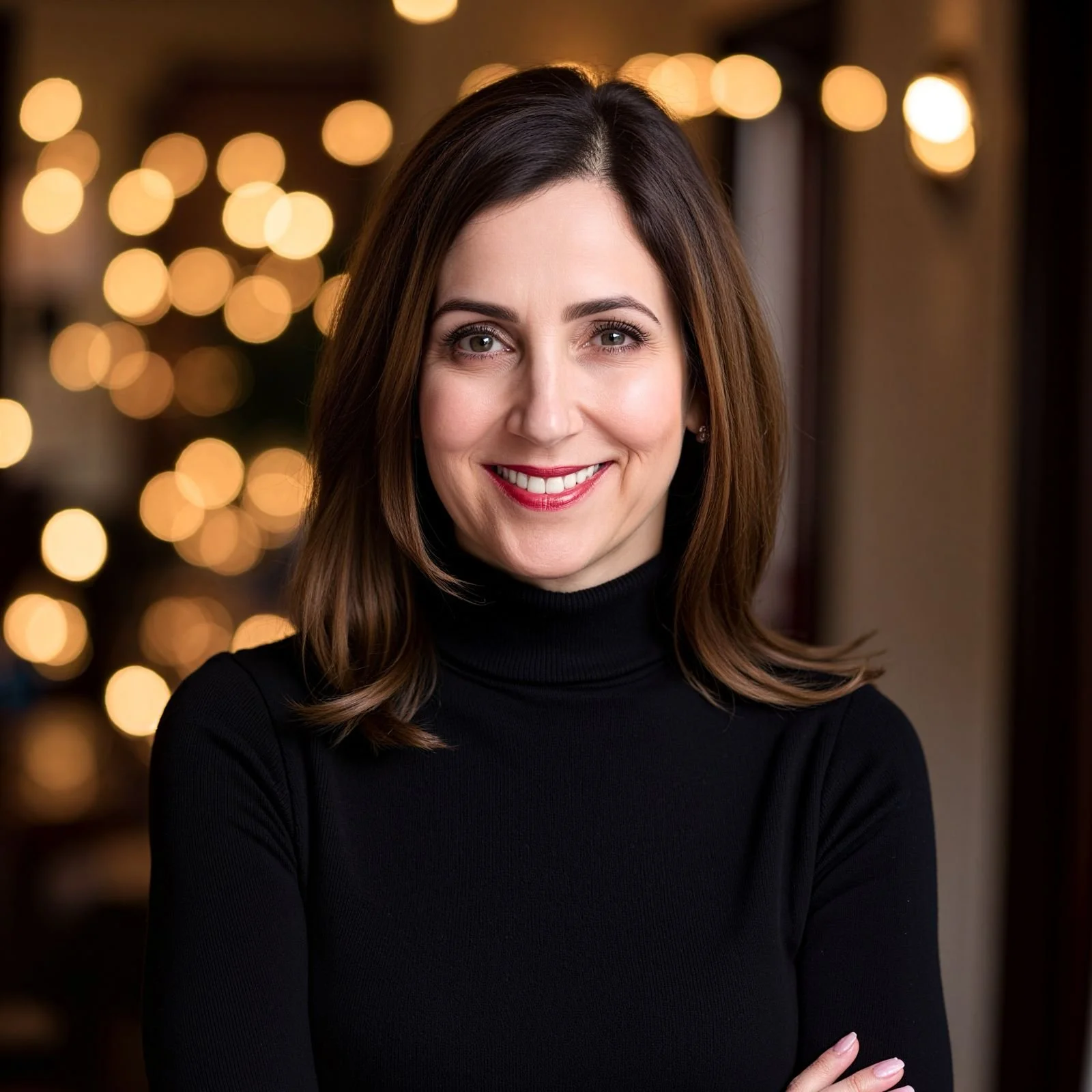
Baroness Joanna Shields has spent four decades on both sides of technological change: as a tech executive and entrepreneur, as a UK Government Minister, and as Founder of the WeProtect Global Alliance. Now CEO of Precognition, she's focused on what she calls the Human Transition, helping people adapt to AI while keeping their agency.
How did you get here?
I’ve spent four decades navigating technological change—as a technology executive, entrepreneur and CEO, and later, as a UK Minister—seeing change from both sides: helping build technology, then helping society respond.
Business taught me innovation’s power and pace; government, the value and limits of institutions. Founding WeProtect Global Alliance showed how coalitions can create change beyond one company or cycle. Working across borders convinced me that global challenges require cooperation.
These experiences shape my work on the Human Transition: adapting to AI while retaining human agency. My advice is to stay curious, pursue difficult questions, cross boundaries and seek other perspectives. Experiences that seem disconnected may ultimately form your most distinctive contribution.
What fields intersect in your work?
My work today sits where technology meets society and, increasingly, where both meet civilizational questions about what it means to be human in the age of AI. As AI becomes more human-like in its behaviour, we need to think carefully about the assumptions we make about these systems, and resist too quickly projecting onto them human ideas of identity, interests or moral standing.
My current work is focused on making the Human Transition more visible and comprehensible—through storytelling, public dialogue and by bringing together people who would not ordinarily find themselves in the same conversation. People need to feel able to exercise agency in what comes next.
What has surprised you most along the way?
How familiar each new technological revolution can feel. The technology changes, but the pattern often repeats: we embrace the possibilities first and understand the consequences later.
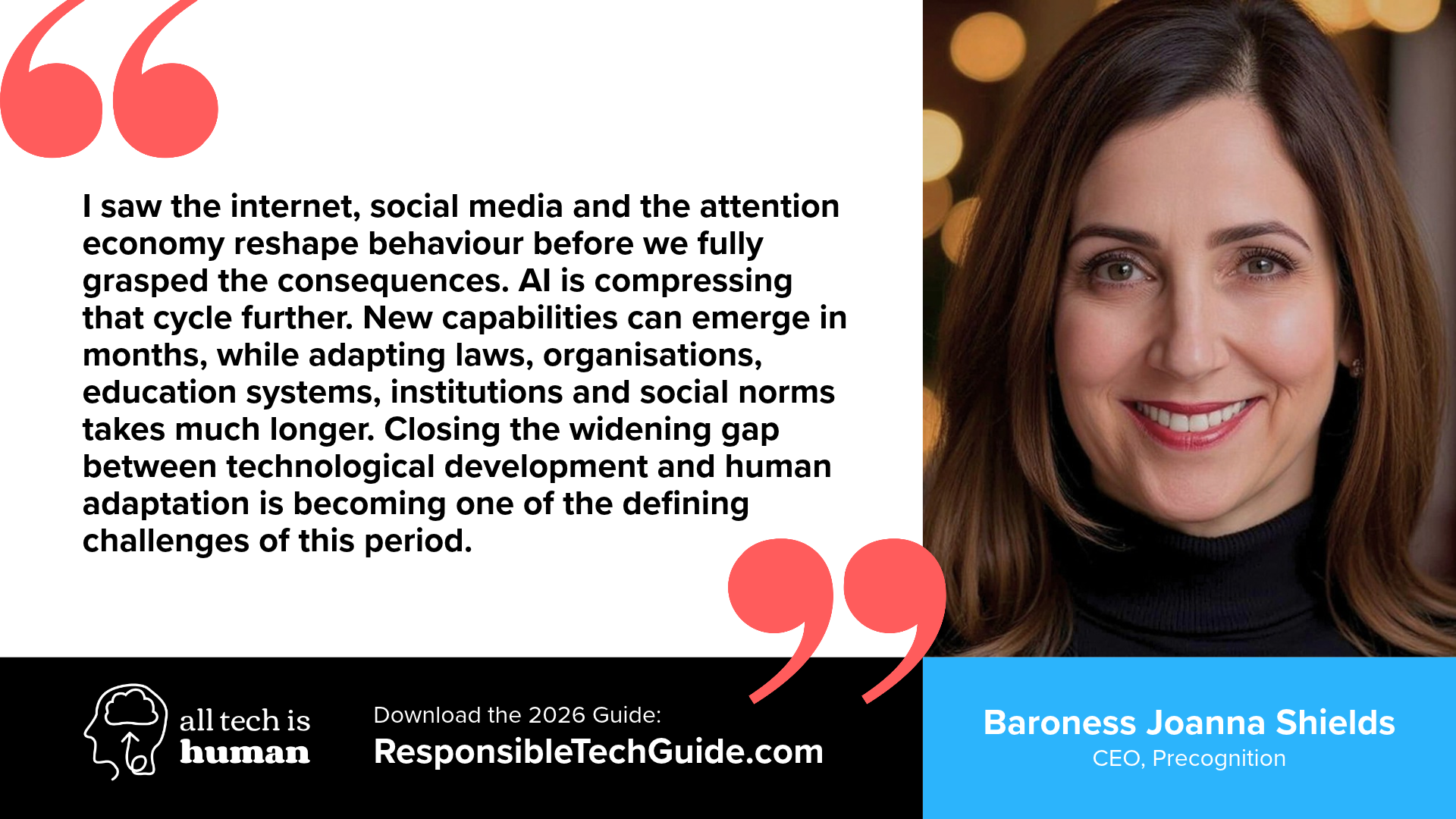
I saw the internet, social media and the attention economy reshape behaviour before we fully grasped the consequences. AI is compressing that cycle further. New capabilities can emerge in months, while adapting laws, organisations, education systems, institutions and social norms takes much longer. Closing the widening gap between technological development and human adaptation is becoming one of the defining challenges of this period.
At the same time, I remain encouraged by how often real progress begins with an unexpected conversation between people with very different experiences.
Why do those intersections matter?
Because the hardest questions about technology are rarely just technical. AI affects how people work, learn, create, relate, seek guidance and make decisions. Its development has implications for safety, rights and privacy, but also for economic opportunity, childhood, democracy, identity, belief and human agency.
No single discipline can hold all of those questions. Engineers, policymakers and researchers all have vital roles, but so do people who understand children, communities, culture, ethics, faith and lived human experience.
The more powerful the technology becomes, the more important it is that understanding its consequences is not confined to the people building it.
What's one action you'd like to see?
We need to invest as much energy in helping people navigate AI as we invest in building it.
Much of the conversation today is about how powerful AI will become and whether regulation can keep up. Those questions matter, but we also need to ask whether people feel able to understand what is happening, make informed choices and have a meaningful say in how these systems are entering their lives.
That is where human agency becomes important. People should not simply have AI deployed around them or imposed upon them. They should be equipped to understand it, question it and help determine how it is used.
What does a better tech future look like to you?
A better tech future is one in which technology makes us more capable without making us less human.
It is a future where AI supports our judgement rather than replacing it, where children can participate safely in digital life, and where privacy and protection work together. It is one where technology strengthens creativity, relationships and human dignity rather than diminishing them.
Above all, it is a future we feel able to shape. Technology should not simply happen to us. People should have the knowledge, confidence and agency to decide how it is used, and what kind of society it should help us build.
Learn more about Baroness Shields here. Want more perspectives like this? Read the full Responsible Tech Guide, where this interview was featured.