From Archaeology to AI: Emanuel Moss on the Return of the Social Sciences
Part of our Responsible Tech Voices series, featuring leaders from All Tech Is Human’s 2026 Responsible Tech Guide.
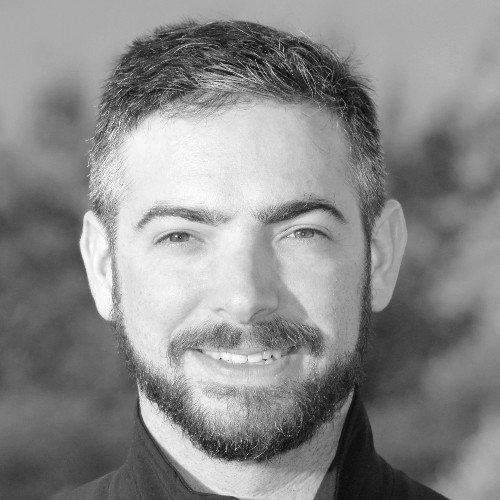
Emanuel Moss began his career in archaeology, studying how technology shapes the production of knowledge. That question led him to machine learning, to research on how technologists take responsibility for what they build, and now to Intel, where he manages the company's Responsible AI program.
How did you get here?
My career actually began in archaeology, where I became keenly interested in the role technology plays in the production of knowledge. When I returned to graduate school, I decided to study how machine learning produces knowledge, and what happens when that knowledge is challenged by charges that it is unfair, biased, or unethical. That led me to study how people who work in technology take responsibility for what they build, which I continued to do when I joined Intel, even as I began applying what I learned studying professional ethics in technology to the Responsible AI program here. For anyone else bridging from academia to the tech industry, I would recommend identifying the key questions motivating their work and using those as an anchor, even when making big leaps.
What fields intersect in your work?
I'm not entirely sure that the label on the bottle matters. Such labels certainly lead to turf skirmishes. I center the social sciences in my practice, which means understanding organizations as social organizations and understanding different fields and domains within an organization as sets of overlapping practices that are shaped by organizational priorities. My work on Responsible AI explicitly involves ensuring that AI projects uphold the principles my organization adheres to, but that means understanding how AI will actually be used in the world. To do that, I need to work across legal, policy, technical evaluations teams, as well as marketing, sales, and even other companies that build with our products.
What has surprised you most along the way?
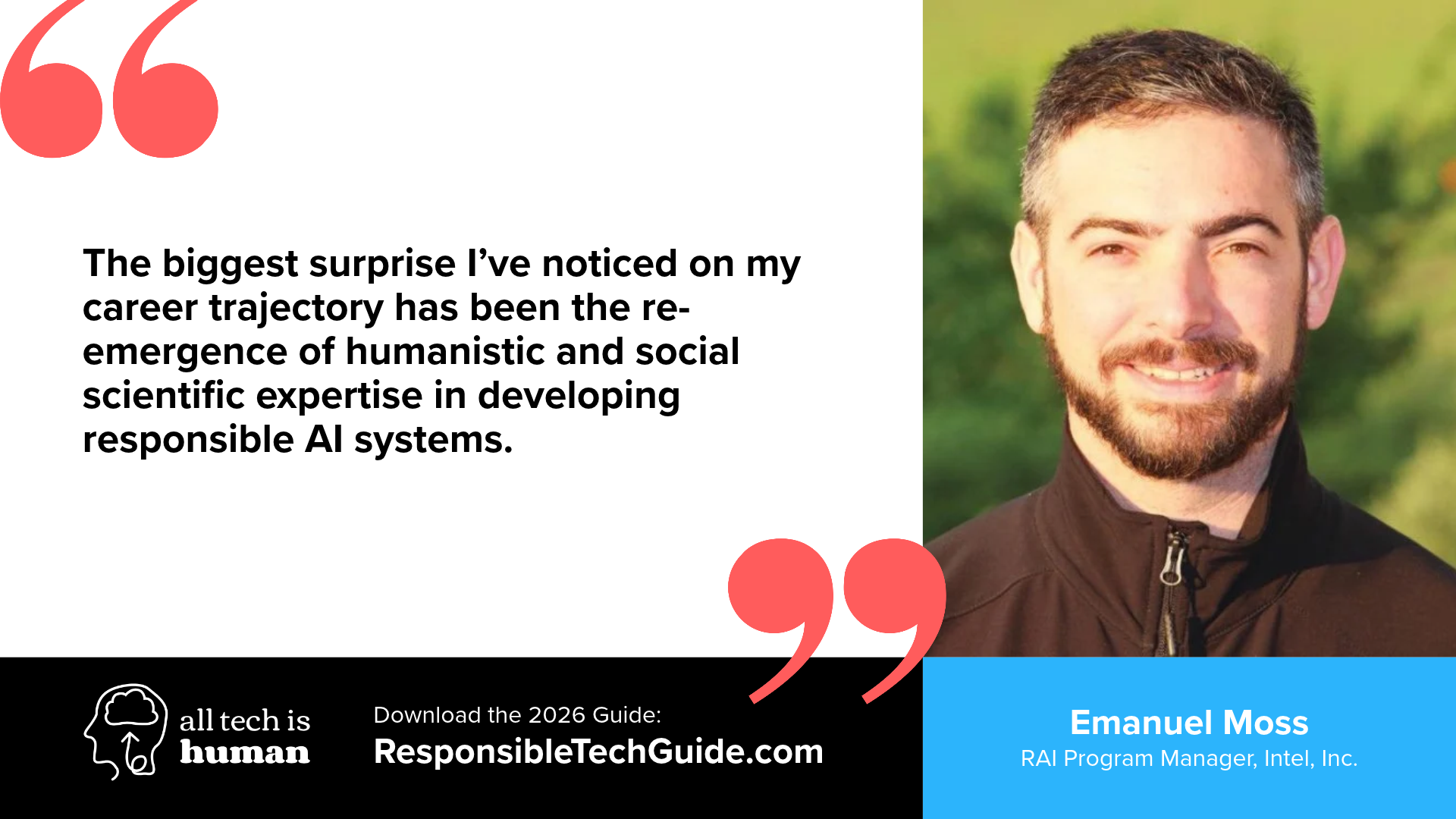
The biggest surprise I’ve noticed on my career trajectory has been the re-emergence of humanistic and social scientific expertise in developing responsible AI systems. Language models, generative AI, and AI agents in many ways abstract away much of the technical details of their implementation. This means that both developers and users need to think deeply about how systems trained on culturally-patterned data can be manipulated using plain language, which I would not have seen coming when I first began studying machine learning.
Why do those intersections matter?
Field intersections are crucially important for the future of Responsible Tech because so many different skill sets are needed to build responsible technologies these days. A “general purpose” foundation model can be used so many ways that it would be impossible for anyone to clearly stipulate what doing a good job for each might look like. Measurement scientists, social scientists, security experts, language experts, and domain experts with lived experience all need to collaborate to understand what the stakes of – and safe operating parameters for – technology are.
What’s one action you’d like to see?
I’d like to see everyone talk about technology as an abstract force with a will of its own. Different technical tools are built, distributed, and used by organizations comprised of groups of people. Keeping our eye on what practical effects each of our actions produces in the world is the best way to understand the future as a set of choices, to be arrived at through thoughtful deliberation, rather than as inevitable.
What does a better tech future look like to you?
It looks like a future in which we make more choices about how we live, work, and connect for ourselves, rather than have those choices made by others.
Learn more about Emmanuel’s work here. Want more perspectives like this? Read the full Responsible Tech Guide, where this interview was featured.