Bo Young Lee on Why the Hardest AI Problems Aren't Technical
Part of our Responsible Tech Voices series, featuring leaders from All Tech Is Human’s 2026 Responsible Tech Guide.
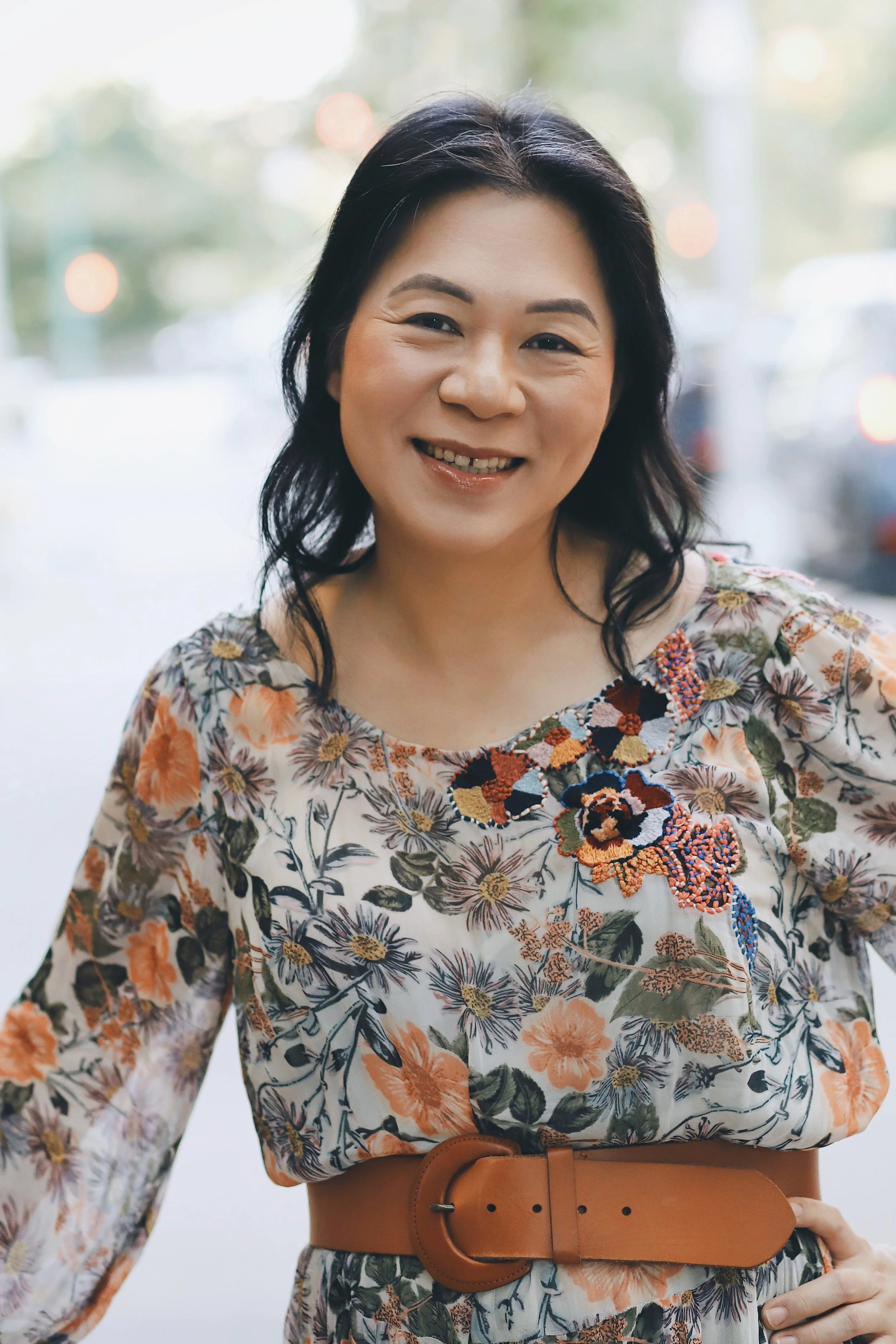
Bo Young Lee's career has moved from service jobs to management consulting to serving as Uber's chief diversity officer, and then to a master's in AI ethics at Cambridge. Now a Strategic Adviser to AI4ALL, she's focused on preparing the next generation to build AI that serves humanity, and on widening who gets to do the building.
How did you get here?
My career has had four distinct chapters, but the common thread has always been understanding people, institutions and technology. I started in service jobs, moved into management consulting, built a career in DEI that culminated as Chief Diversity Officer at Uber, and became deeply interested in algorithmic fairness. That led me to pursue a master’s in AI Ethics and Society at Cambridge and ultimately to AI4ALL. Today, I focus on preparing the next generation to build AI that serves humanity. My advice: focus less on job titles and more on the problems and questions that genuinely intrigue you. They can lead you somewhere unexpected.
What fields intersect in your work?
My work sits at the intersection of artificial intelligence, education, ethics, sociology, public policy and civic leadership. Responsible AI cannot be achieved by engineers, policymakers or ethicists working independently because AI increasingly influences every part of society. At AI4ALL, we take a “big world” approach: rather than starting with the technology, we ask how the world is affected and what problems are being solved or created. Young people are crucial to this work. They aren’t simply future AI users, but future builders, researchers, entrepreneurs and decision-makers whose perspectives should help shape technology today.
Why do those intersections matter?
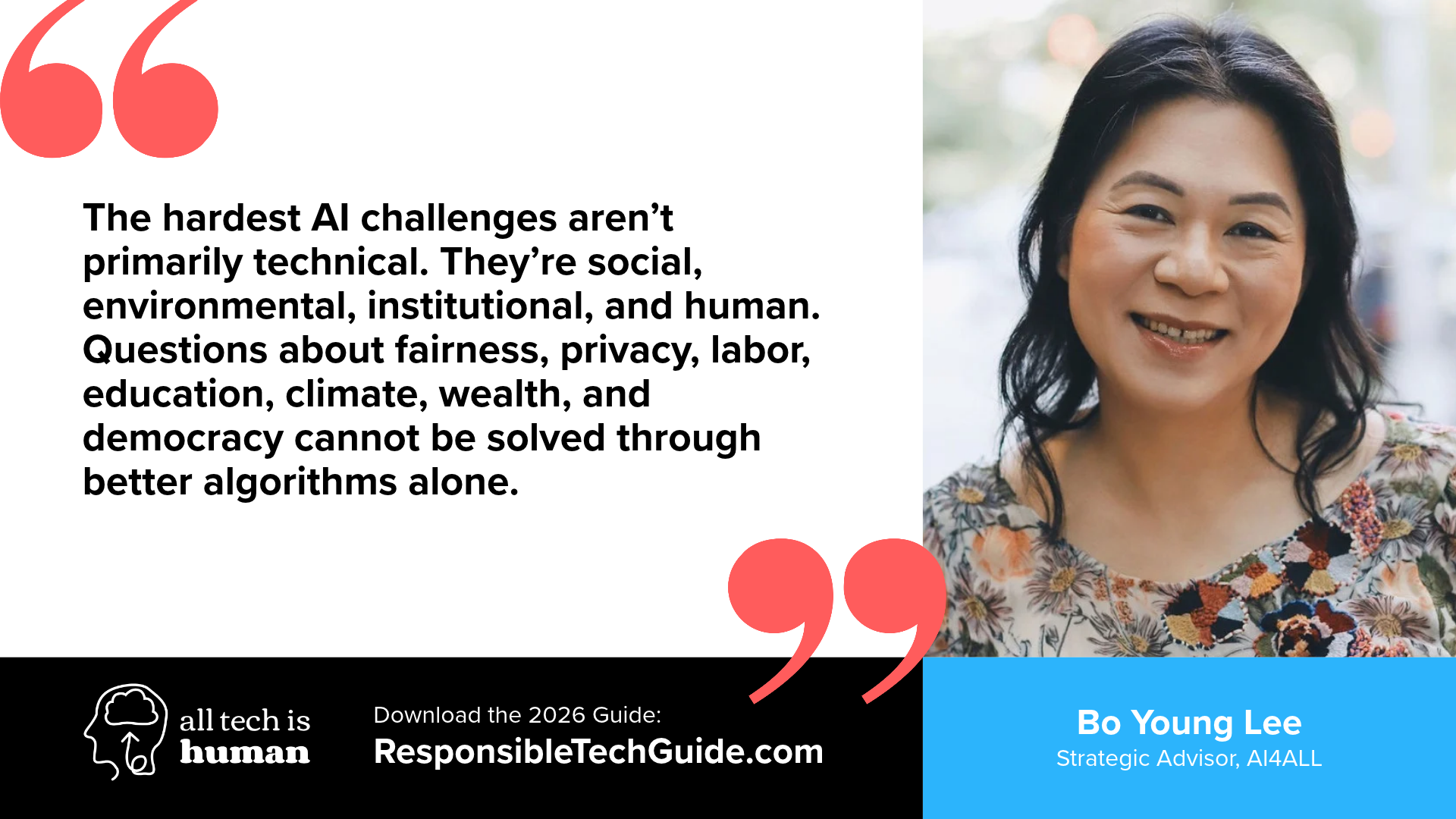
The hardest AI challenges aren’t primarily technical. They’re social, environmental, institutional and human. Questions about fairness, privacy, labor, education, climate, wealth and democracy cannot be solved through better algorithms alone. We need engineers working alongside educators, social scientists, artists, healthcare professionals, labor and community leaders. Different expertise and lived experiences lead us to ask better questions and assess risk differently. Responsible technology depends as much on diverse ways of thinking as technical excellence. We must ask not only, “What can this technology do?” but “Who is impacted, and how?”
What's one action you'd like to see?
I’d expand who gets to participate in shaping AI. That means investing earlier in education, creating accessible pathways into AI careers and ensuring young people from every community can understand, question and build AI, not simply use it. Too much responsible-tech work happens after technology is built, when we’re already managing potential harms. We need to intervene earlier by changing who gets to imagine and build the future. We should also broaden what gets built, including smaller, purpose-built models that can offer advantages in privacy, energy use, accessibility, cultural responsiveness and transparency.
What does a better tech future look like to you?
A better tech future is cross-culturally competent, representative and language-inclusive. It uses technology to address social problems rather than magnify existing systems of oppression and polarization, and innovation strengthens trust rather than eroding it. It’s a future where AI expands opportunity instead of concentrating power and helps people solve meaningful problems in their communities. Progress should be measured not only by what systems can do, but by who benefits from them, with technological advancement and the public interest moving forward together.
Learn more about AI4All here. Want more perspectives like this? Read the full Responsible Tech Guide, where this interview was featured.