Baratunde Thurston: Tech Isn't Tech. It's Power.
Part of our Responsible Tech Voices series, featuring leaders from All Tech Is Human’s 2026 Responsible Tech Guide.
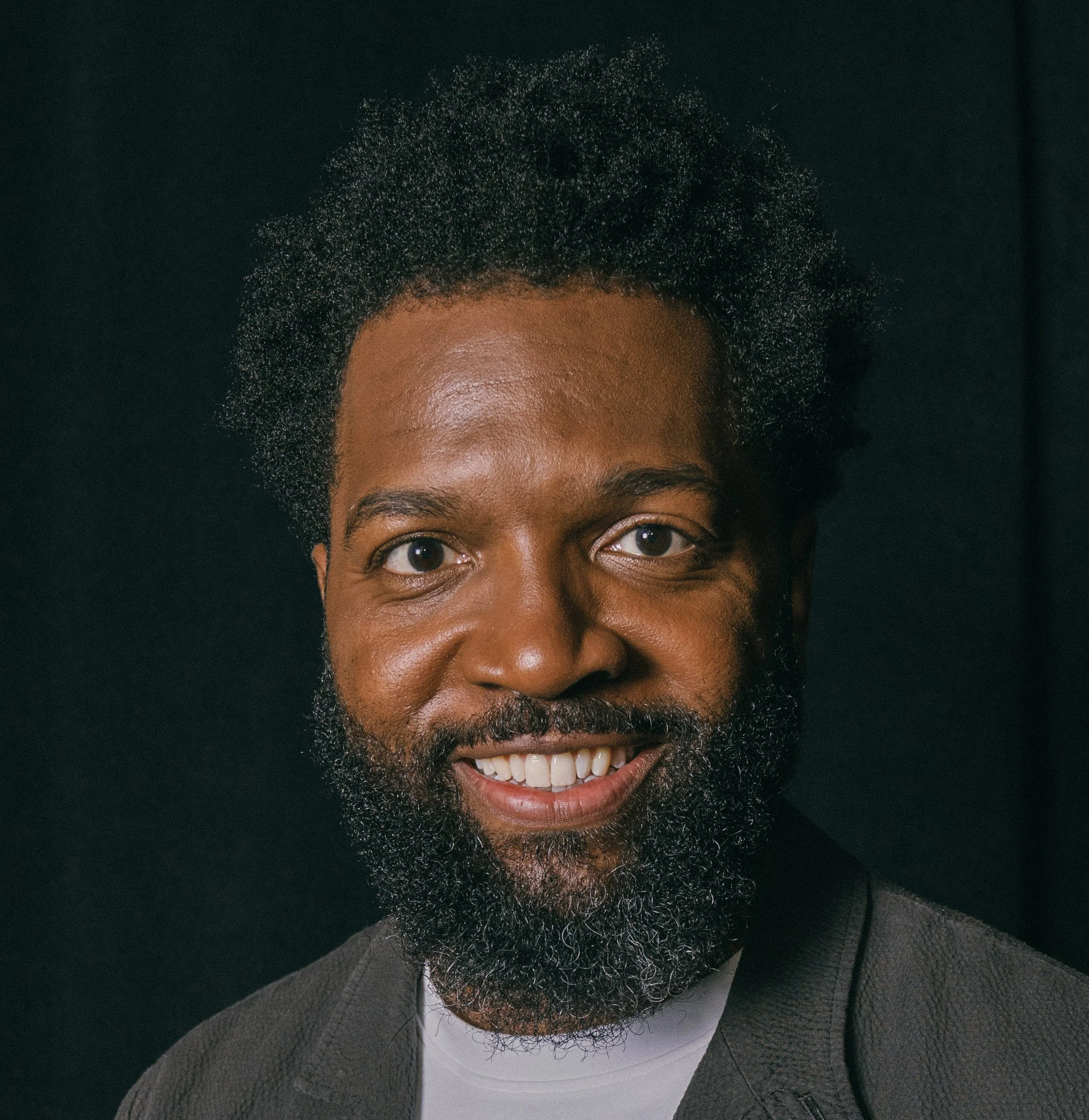
Writer, comedian, and host Baratunde Thurston has worked at The Onion and The Daily Show and now explores our relationship with technology through Life With Machines. He's also a philosophy major who paid for college with tech support, and he's here to lovingly challenge the very idea of a "tech future."
How did you get here?
Being born to my mother, Arnita Lorraine Thurston: a Black woman, born 1940, Civil Rights activist, lover of Mother Nature, 1980s computer programmer.
Also: youth orchestra, Boy Scouts, track, wrestling, student newspaper; paying for college with tech support and cleaning bathrooms; majoring in philosophy; leaving telecom consulting for The Onion, then my own comedy-tech studio, then The Daily Show. Making a TV show no one saw and turning it into a podcast millions heard.
Choosing people: my wife and co-creator Elizabeth. Befriending danah boyd and a squad of badasses fighting for a better future. Meeting Black people at SXSW.
Choose your people. They are your feed, defining the ideas you consider, how you disagree, the commitments you uphold.
Thanks for reading my commencement address.
What has surprised you most along the way?
1. The number of mediocre people in positions of authority.
2. The degree to which insecurity drives behavior.
3. The limited correlation between money and happiness.
4. The strong correlation between my previous three sentences.
What's one action you'd like to see?
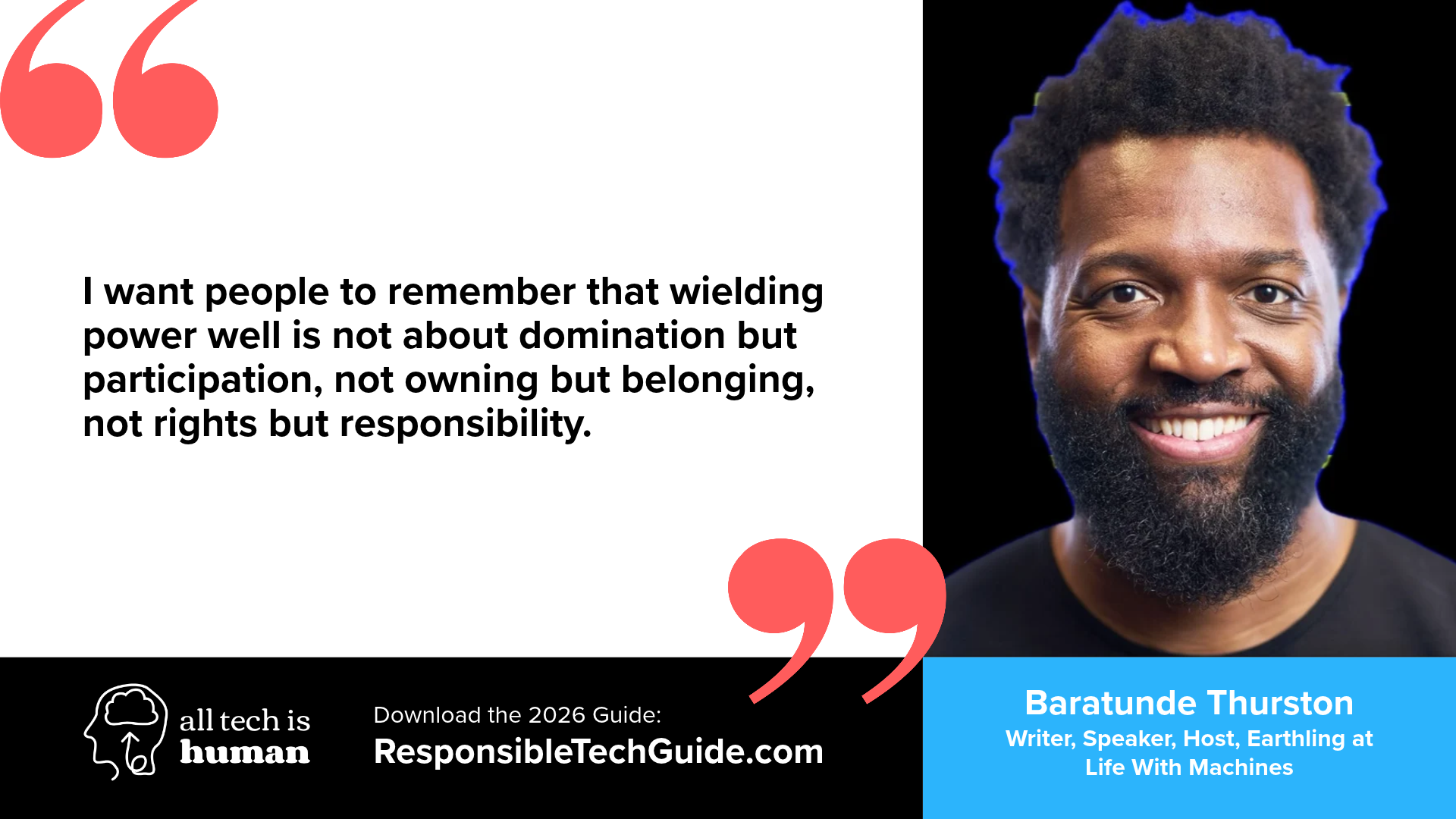
For everyone to realize that "tech" is not tech. It's power. When we see it as power, we see it more honestly. It's a way get someone to do what you want. We can fear that, can act disinterested or unworthy, or we can claim it on behalf of our collective life and put it to considered, compassionate, and just use. I want people to remember that wielding power well is not about domination but participation, not owning but belonging, not rights but responsibility. Power should circulate and flow and protect and empower. But that is a choice. When we remember that it is a choice we get to make together, we've just generated a bit of power. And once people connect those dots, "tech" becomes just another way for us to live well together and not merely an industry whose excesses we have to endure.
What does a better tech future look like to you?
One in which we don’t describe the future as a “tech future” at all. I’d like to lovingly challenge the premise of the question. It is not our job to make sure that “tech” is a part of our future or our lives. That’s a tech executive or investor’s job. Our job is to live. To love. To create meaning. And most importantly, to decide together what we want for our future, with tech and with trees and with clouds and dogs and popsicles and butterflies. And rest. And joy. The better future with tech looks like one in which people have the power to decide that future, not just as individuals but collectively, and then leverage tech to help realize that future. Too often the prevailing discourse defaults to assuming we should leverage the future to realize tech. Let’s flip it.
Learn more about Baratunde’s work here. Want more perspectives like this? Read the full Responsible Tech Guide, where this interview was featured.