Responsible Tech Summer Reading List 2025
All Tech Is Human is thrilled to release our latest Responsible Tech Summer Reading List! Check out our 18 new book suggestions below, along with books we listed in the last two versions. Are there books you think that should be on the list? Nominate one here.

This year’s curated list has themes around power, human agency, the folly of technosolutionism, and understanding how history affects our present and future. If you would like to connect and chat with others in the Responsible Tech movement, you can freely join our large Slack community of over 12,000 people across 109 countries.
Books in alphabetical order:
Abundance by Ezra Klein and Derek Thompson
The AI Con: How to Fight Big Tech's Hype and Create the Future We Want by Emily M. Bender and Alex Hanna
AI Snake Oil: What Artificial Intelligence Can Do, What It Can’t, and How to Tell the Difference by Arvind Narayanan and Sayash Kapoor
The Atomic Human: What Makes Us Unique in the Age of AI by Neil Lawrence
Broken Code: Inside Facebook and the Fight to Expose Its Harmful Secrets by Jeff Horwitz
Careless People: A Cautionary Tale of Power, Greed, and Lost Idealism by Sarah Wynn-Williams
A Different Kind of Power: A Memoir by Jacinda Ardern
Empire of AI: Dreams and Nightmares in Sam Altman's OpenAI by Karen Hao
Enshittification: Why Everything Suddenly Got Worse and What to Do About It by Cory Doctorow
Mood Machine: The Rise of Spotify and the Costs of the Perfect Playlist by Liz Pelly
More Everything Forever: AI Overlords, Space Empires, and Silicon Valley's Crusade to Control the Fate of Humanity by Adam Becker
Nexus: A Brief History of Information Networks from the Stone Age to AI by Yuval Noah Harari
The Optimist: Sam Altman, OpenAI, and the Race to Invent the Future by Keach Hagey
Program Or Be Programmed: Eleven Commands for the AI Future by Douglas Rushkoff
Taming Silicon Valley: How We Can Ensure That AI Works for Us by Gary Marcus
Tech Agnostic: How Technology Became the World's Most Powerful Religion, and Why It Desperately Needs a Reformation by Greg Epstein
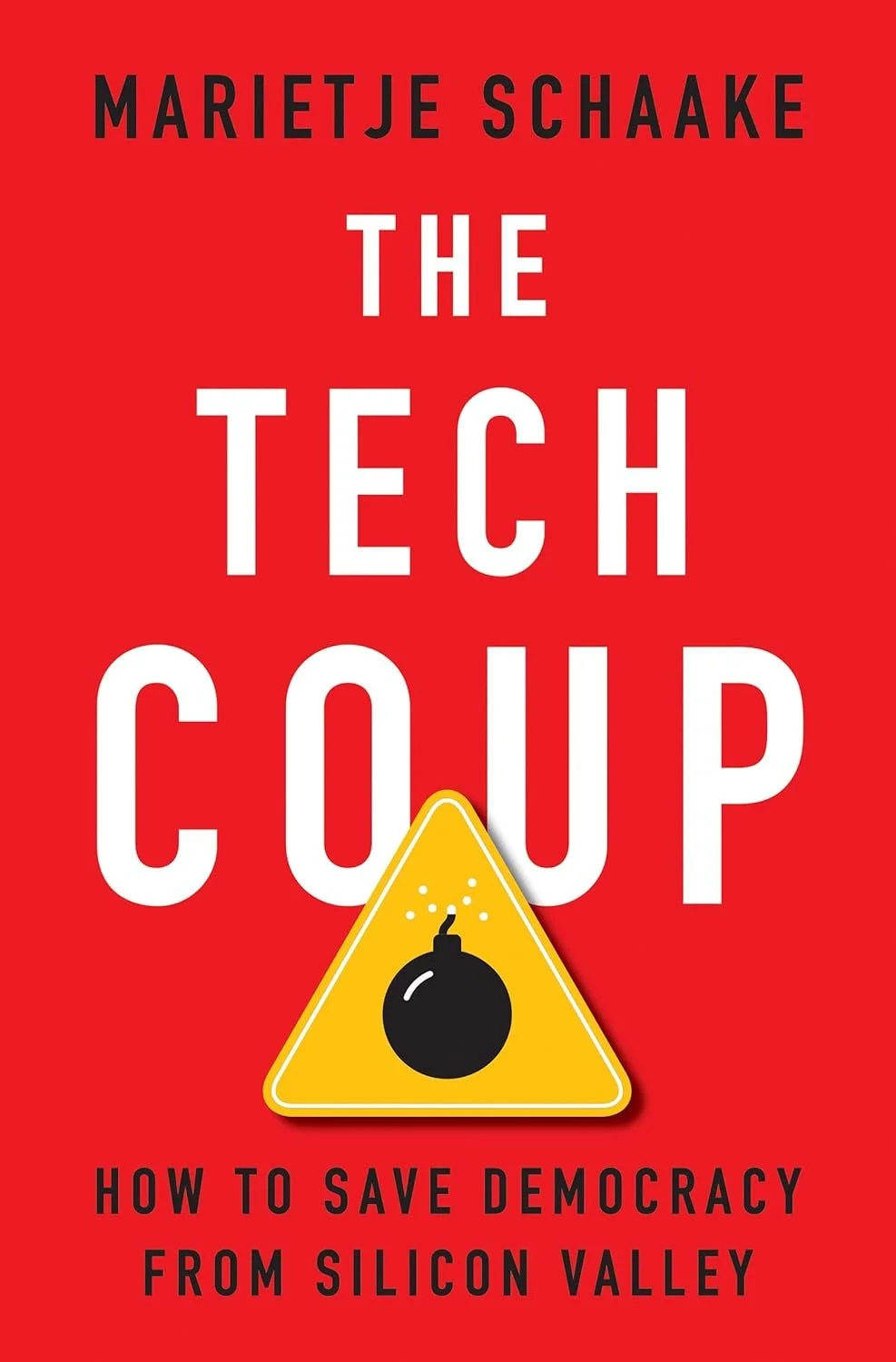
The Tech Coup: How to Save Democracy from Silicon Valley by Marietje Schaake
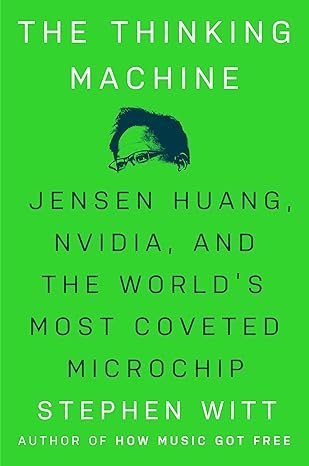
The Thinking Machine: Jensen Huang, Nvidia, and the World's Most Coveted Microchip by Stephen Witt
Empire of AI: Dreams and Nightmares in Sam Altman's OpenAI by Karen Hao

Description:
“From a brilliant longtime AI insider with intimate access to the world of Sam Altman's OpenAI from the beginning, an eye-opening account of arguably the most fateful tech arms race in history, reshaping the planet in real time, from the cockpit of the company that is driving the frenzy…When AI expert and investigative journalist Karen Hao first began covering OpenAI in 2019, she thought they were the good guys. Founded as a nonprofit with safety enshrined as its core mission, the organization was meant, its leader Sam Altman told us, to act as a check against more purely mercantile, and potentially dangerous, forces. What could go wrong?”
“From a brilliant longtime AI insider with intimate access to the world of Sam Altman's OpenAI from the beginning, an eye-opening account of arguably the most fateful tech arms race in history, reshaping the planet in real time, from the cockpit of the company that is driving the frenzy…When AI expert and investigative journalist Karen Hao first began covering OpenAI in 2019, she thought they were the good guys. Founded as a nonprofit with safety enshrined as its core mission, the organization was meant, its leader Sam Altman told us, to act as a check against more purely mercantile, and potentially dangerous, forces. What could go wrong?”
Taming Silicon Valley: How We Can Ensure That AI Works for Us by Gary Marcus

Decription:
“On balance, will AI help humanity or harm it? AI could revolutionize science, medicine, and technology, and deliver us a world of abundance and better health. Or it could be a disaster, leading to the downfall of democracy, or even our extinction. In Taming Silicon Valley, Gary Marcus, one of the most trusted voices in AI, explains that we still have a choice. And that the decisions we make now about AI will shape our next century. In this short but powerful manifesto, Marcus explains how Big Tech is taking advantage of us, how AI could make things much worse, and, most importantly, what we can do to safeguard our democracy, our society, and our future.”
More Everything Forever: AI Overlords, Space Empires, and Silicon Valley's Crusade to Control the Fate of Humanity by Adam Becker

Description:
“In More Everything Forever, science journalist Adam Becker investigates these wildly implausible and often profoundly immoral visions of tomorrow—and shows why, in reality, there is no good evidence that they will, or should, come to pass. Nevertheless, these obsessions fuel fears that overwhelm reason—for example, that a rogue AI will exterminate humanity—at the expense of essential work on solving crucial problems like climate change. What’s more, these futuristic visions cloak a hunger for power under dreams of space colonies and digital immortality. The giants of Silicon Valley claim that their ideas are based on science, but the reality is darker: they come from a jumbled mix of shallow futurism and racist pseudoscience.”
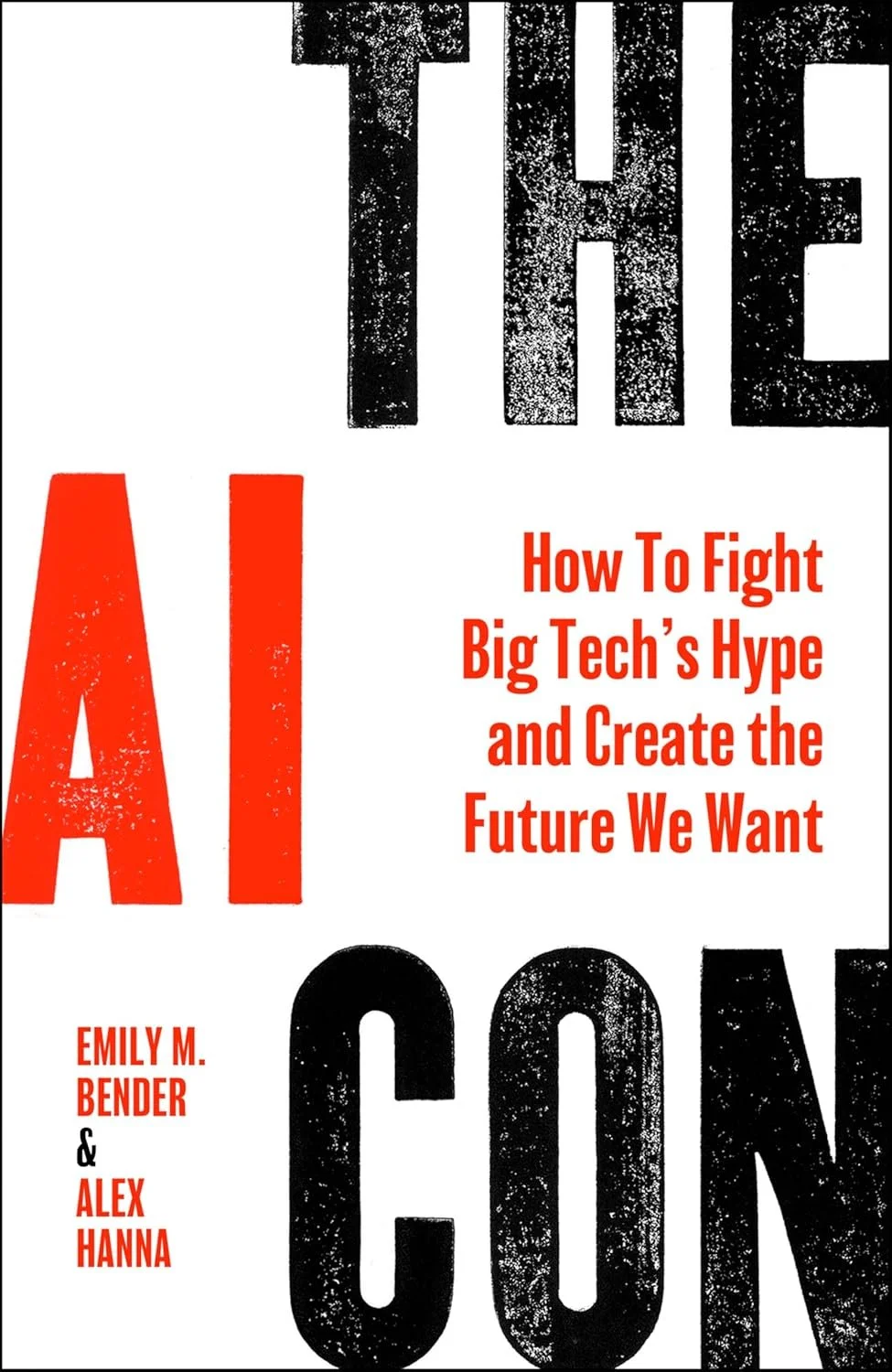
The AI Con: How to Fight Big Tech's Hype and Create the Future We Want by Emily Bender and Alex Hanna
Description:
“Bender and Hanna show you how to spot AI hype, how to deconstruct it, and how to expose the power grabs it aims to hide. Armed with these tools, you will be prepared to push back against AI hype at work, as a consumer in the marketplace, as a skeptical newsreader, and as a citizen holding policymakers to account. Together, Bender and Hanna expose AI hype for what it is: a mask for Big Tech’s drive for profit, with little concern for who it affects.”
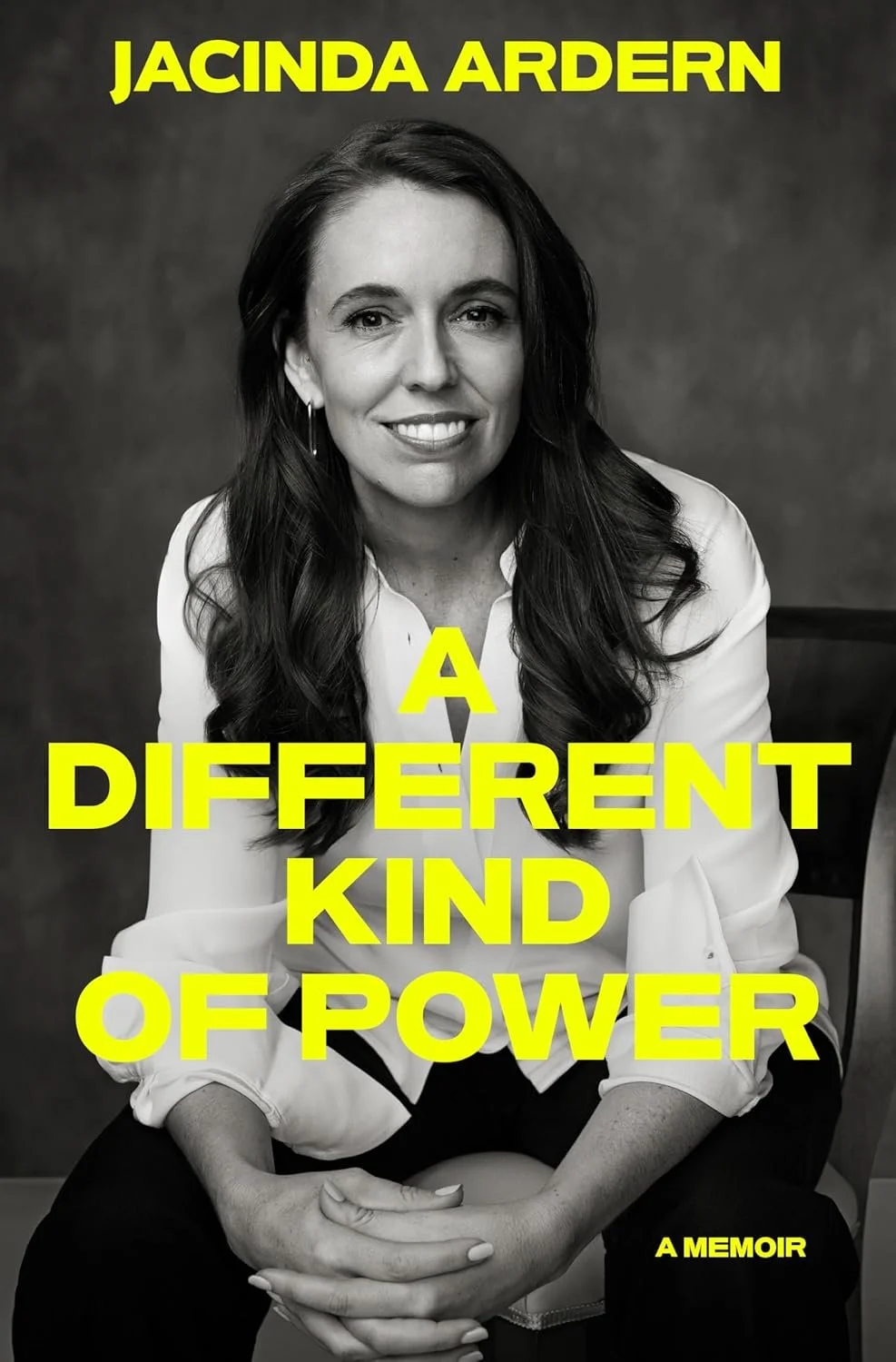
A Different Kind of Power: A Memoir by Jacinda Ardern
Description:
“Ardern exemplifies a new kind of leadership—proving that leaders can be caring, empathetic, and effective. She has become a global icon, and now she is ready to share her story, from the struggles to the surprises, including for the first time the full details of her decision to step down during her sixth year as Prime Minister.”
AI Snake Oil: What Artificial Intelligence Can Do, What It Can’t, and How to Tell the Difference by Arvind Narayanan and Sayash Kapoor
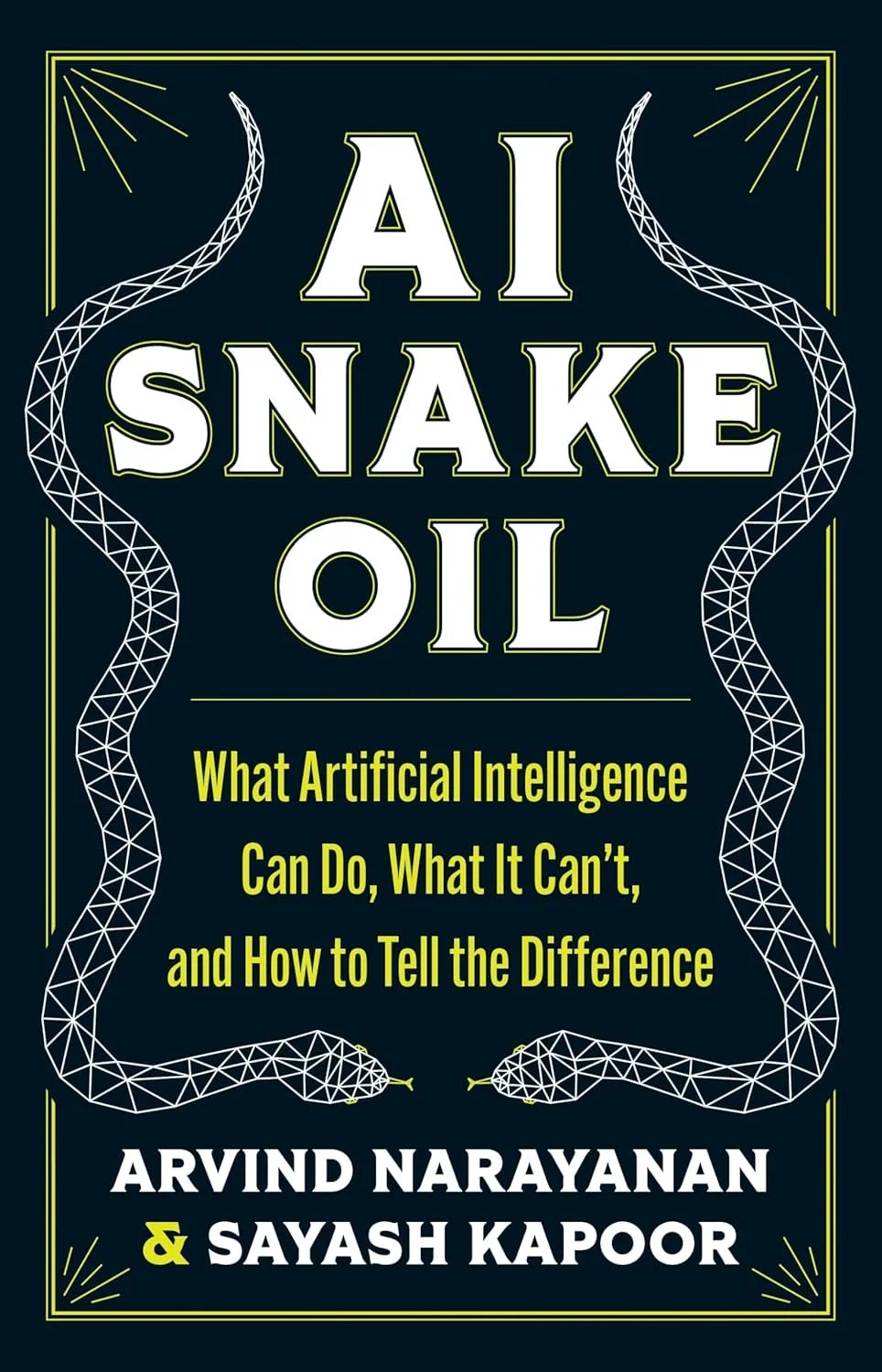
Description:
“Confused about AI and worried about what it means for your future and the future of the world? You’re not alone. AI is everywhere—and few things are surrounded by so much hype, misinformation, and misunderstanding. In AI Snake Oil, computer scientists Arvind Narayanan and Sayash Kapoor cut through the confusion to give you an essential understanding of how AI works and why it often doesn’t, where it might be useful or harmful, and when you should suspect that companies are using AI hype to sell AI snake oil—products that don’t work, and probably never will.”
Careless People: A Cautionary Tale of Power, Greed, and Lost Idealism by Sarah Wynn-Williams

Description:
“Careless People is a deeply personal account of why and how things have gone so horribly wrong in the past decade―told in a sharp, candid, and utterly disarming voice. A deep, unflinching look at the role that social media has assumed in our lives, Careless People reveals the truth about the leaders of Facebook: how the more power they grasp, the less responsible they become and the consequences this has for all of us.”
Abundance by Ezra Klein and Derek Thompson

Description:
“Progress requires facing up to the institutions in life that are not working as they need to. It means, for liberals, recognizing when the government is failing. It means, for conservatives, recognizing when the government is needed. In a book exploring how we can move from a liberalism that not only protects and preserves but also builds, Klein and Thompson trace the political, economic, and cultural barriers to progress and propose a path toward a politics of abundance. At a time when movements of scarcity are gaining power in country after country, this is an answer that meets the challenges of the moment while grappling honestly with the fury so many rightfully feel.”
Mood Machine: The Rise of Spotify and the Costs of the Perfect Playlist by Liz Pelly

Description:
“Building on her years of wide-ranging reporting on streaming, music journalist Liz Pelly details the consequences of the Spotify model by examining both sides of what the company calls its two-sided marketplace: the listeners who pay with their dollars and data, and the musicians who provide the material powering it all…For all of the inequities exacerbated by streaming, Pelly also finds hope in chronicling the artist-led fight for better models, pointing toward what must be done collectively to revalue music and create sustainable systems.”
Enshittificaiton: When Everything Suddenly Got Worse and What to Do About It by Cory Doctorow
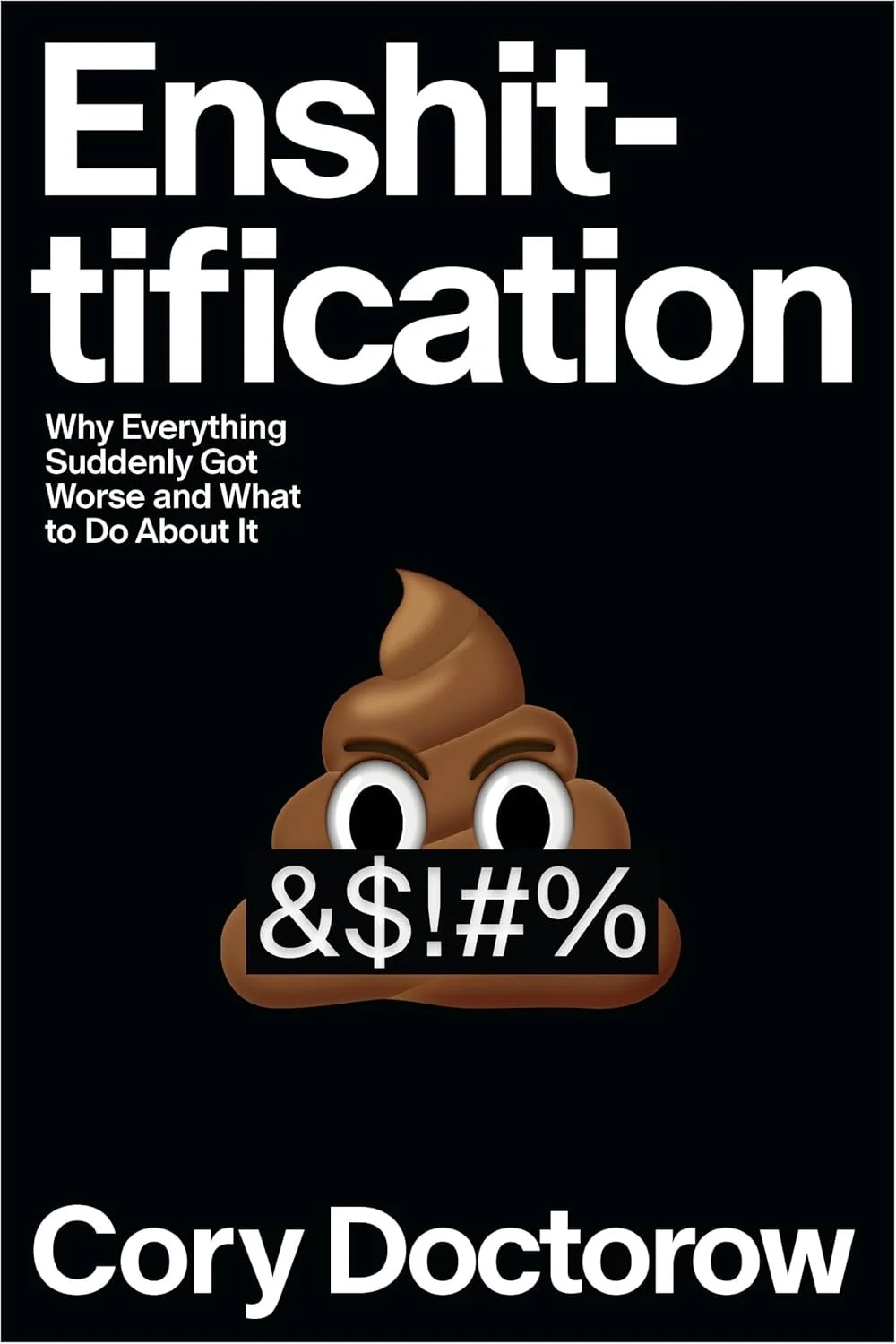
Description:
“When Cory Doctorow coined the term enshittification, he was not just finding a funner way to say “things are getting worse.” He was making a specific diagnosis about the state of the digital world and how it is affecting all of our lives (and not for the better). The once-glorious internet was colonized by platforms that made all-but-magical promises to their users―and, at least initially, seemed to deliver on them. But once users were locked in, the platforms turned on them to make their business customers happy. Then the platforms turned to abusing their business customers to claw back all the value for themselves. In the end, the platforms die.”
Nexus: A Brief History of Information Networks from the Stone Age to AI by Yuval Noah Harari
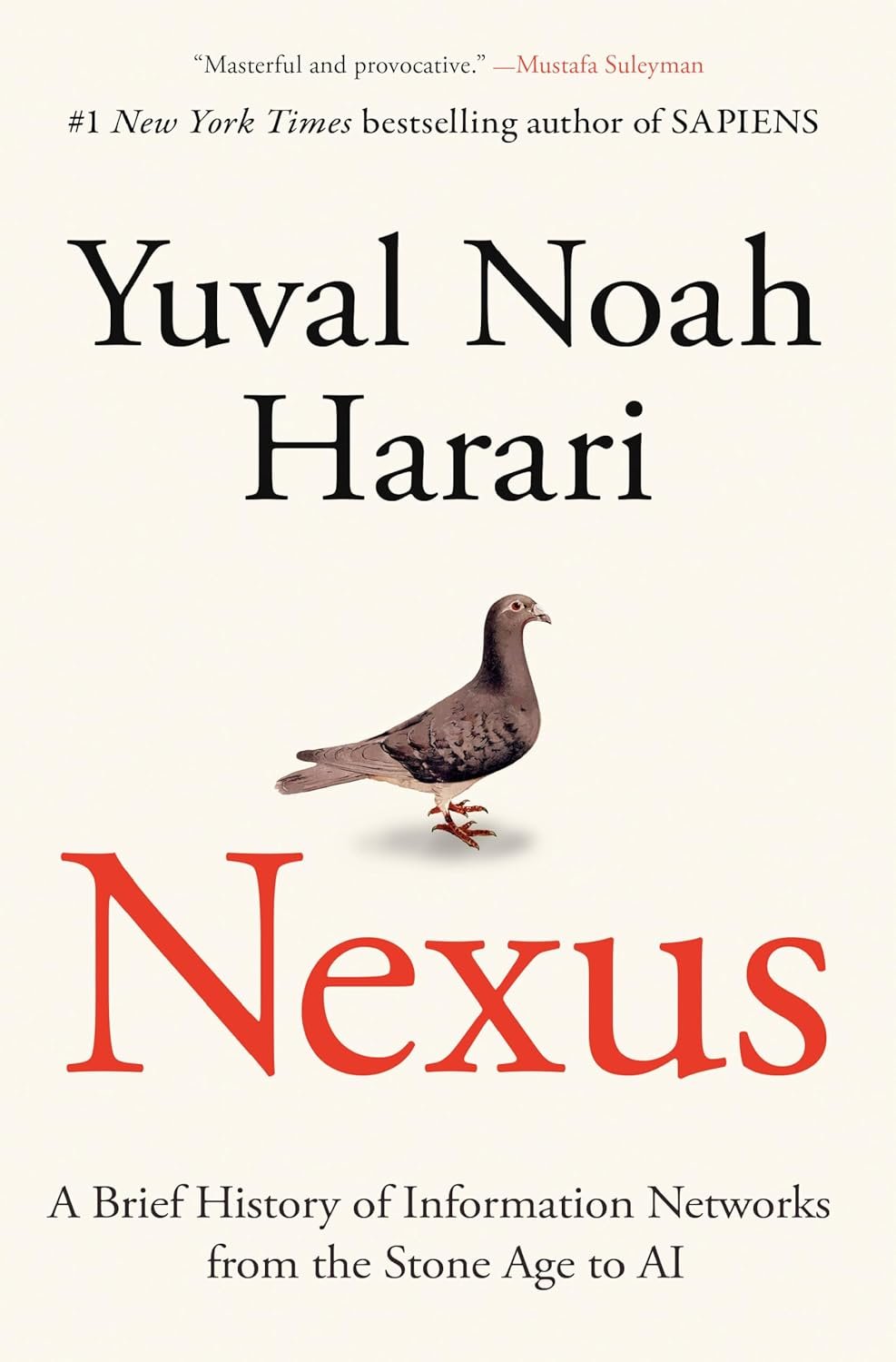
Description:
“Nexus looks through the long lens of human history to consider how the flow of information has shaped us, and our world. Taking us from the Stone Age, through the canonization of the Bible, early modern witch-hunts, Stalinism, Nazism, and the resurgence of populism today, Yuval Noah Harari asks us to consider the complex relationship between information and truth, bureaucracy and mythology, wisdom and power. He explores how different societies and political systems throughout history have wielded information to achieve their goals, for good and ill. And he addresses the urgent choices we face as non-human intelligence threatens our very existence.”
The Optimist: Sam Altman, OpenAI, and the Race to Invent the Future by Keach Hagey

Description:
“Hagey conducted more than 250 interviews, with Altman’s family, friends, teachers, mentors, co-founders, colleagues, investors, and portfolio companies, in addition to spending hours with Altman himself. The person who emerges in her portrait is a brilliant dealmaker with a love of risk, who believes in technological progress with an almost religious conviction―yet who sometimes moves too fast for the people around him. With both the promise and peril of AI increasing by the day, Hagey delivers a nuanced, balanced, revelatory account of the individual who is leading us into what he himself has called “the intelligence age.”
The Atomic Human: What Makes Us Unique in the Age of AI by Neil D. Lawrence
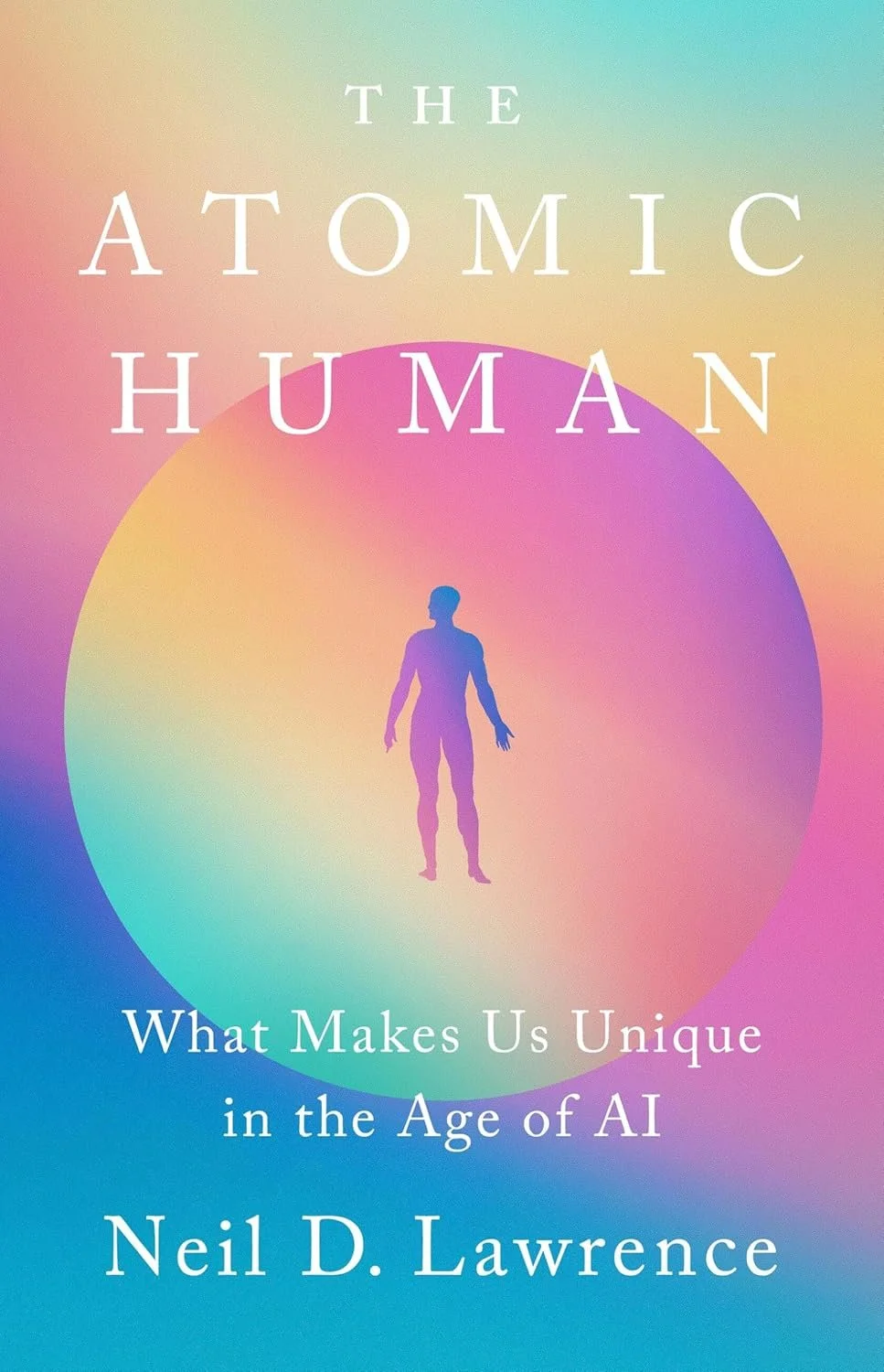
Description:
“If artificial intelligence takes over decision-making what, then, is unique and irreplaceable about human intelligence? The Atomic Human is a journey of discovery to the core of what it is to be human, in search of the qualities that cannot be replaced by the machine. Neil Lawrence brings a timely, fresh perspective to this new era, recounting his personal journey to understand the riddle of intelligence…By contrasting our own intelligence with the capabilities of machine intelligence through history, The Atomic Human reveals the technical origins, capabilities, and limitations of AI systems, and how they should be wielded–not just by the experts, but ordinary people.”
Tech Agnostic: How Technology Became the World’s Most Powerful Religion, and Why It Desperately Needs a Reformation by Greg Epstein

Description:
“Today’s technology has overtaken religion as the chief influence on twenty-first century life and community. In Tech Agnostic, Harvard and MIT’s influential humanist chaplain Greg Epstein explores what it means to be a critical thinker with respect to this new faith. Encouraging readers to reassert their common humanity beyond the seductive sheen of “tech,” this book argues for tech agnosticism—not worship—as a way of life. Without suggesting we return to a mythical pre-tech past, Epstein shows why we must maintain a freethinking critical perspective toward innovation until it proves itself worthy of our faith or not.”
The Tech Coup: How to Save Democracy from Silicon Valley by Marietje Schaake
Description:
“In The Tech Coup, Marietje Schaake offers a behind-the-scenes account of how technology companies crept into nearly every corner of our lives and our governments. She takes us beyond the headlines to high-stakes meetings with human rights defenders, business leaders, computer scientists, and politicians to show how technologies—from social media to artificial intelligence—have gone from being heralded as utopian to undermining the pillars of our democracies. To reverse this existential power imbalance, Schaake outlines game-changing solutions to empower elected officials and citizens alike. Democratic leaders can—and must—resist the influence of corporate lobbying and reinvent themselves as dynamic, flexible guardians of our digital world.”
The Thinking Machine: Jensen Huang, Nvidia, and the World's Most Coveted Microchip by Stephen Witt
Description:
“The Thinking Machine is the story of how Nvidia evolved to supplying hundred-million-dollar supercomputers. It is the story of a determined entrepreneur who defied Wall Street to push his radical vision for computing, becoming one of the wealthiest men alive. It is the story of a revolution in computer architecture, and the small group of renegade engineers who made it happen. And it’s the story of our awesome and terrifying AI future, which Huang has billed as the ‘next industrial revolution,’ as a new kind of microchip unlocks hyper-realistic avatars, autonomous robots, self-driving cars, and new movies, art, and books, generated on command…This is the story of the company that is inventing the future.”
Broken Code by Jeff Horwitz

Description:
“Broken Code tells the story of these employees and their explosive discoveries. Expanding on “The Facebook Files,” his blockbuster, award-winning series for The Wall Street Journal, reporter Jeff Horwitz lays out in sobering detail not just the architecture of Facebook’s failures, but what the company knew (and often disregarded) about its societal impact. In 2021, the company would rebrand itself Meta, promoting a techno-utopian wonderland. But as Broken Code shows, the problems spawned around the globe by social media can’t be resolved by strapping on a headset.”
Program or Be Programmed: Eleven Commands for the AI Future by Douglas Rushkoff

Description:
“A deep dive into one of this century's most potent questions: do we direct technology, or do we let ourselves be directed by it? This compact new edition of a paradigmatic text packs a big and actionable punch. Updated with a new section on the unique challenges posed by AI, Program or Be Programmed presents a spirited, accessible poetics of new media. On these pages (and screens), Rushkoff picks up where Marshall McLuhan left off, helping readers recognize programming as the new literacy of the digital age.”
Thank you for reading this year’s Responsible Tech Summer Reading List! This curated list of compiled by All Tech Is Human, a non-profit committed to tackling the world’s thorniest tech & society issues. We do this by providing the relational infrastructure for the Responsible Tech ecosystem, providing a conducive space for solution-making, and rapidly distributing new concepts and best practices across our extensive network.
Are you looking to discuss these books with others? Join our Slack community of over 12k members across 109 countries, attend our bi-monthly livestream series, and attend our regular in-person gatherings happening in NYC, DC, SF, and London.
Read about our mission | see all of our projects and links
Previous book selections:
The Age of Surveillance Capitalism by Shoshana Zuboff
The Algorithm by Hilke Shellman
Algorithms of Oppression by Safiya Noble
The AI Mirror by Shannon Valler
The Coming Wave by Mustafa Suleyman
Digitally Invisible by Nicol Turner Lee
Ethical Machines by Reid Blackman
Hello World by Hannah Fry
How Data Happened by Chris Wiggins
How to Do Nothing by Jenny Odell
Internet for the People by Ben Tarnoff
Invisible Rulers by Renee DiResta
Outrage Machine by Tobias Rose-Stockwell
[Re]coding America by Jennifer Pahlka
Team Human by Douglas Rushkoff
The Tech That Comes Next by Amy Sample Ward and Afua Bruce
Unmasking AI by Joy Buolamwini
Viral Justice by Ruha Benjamin
Weapons of Math Destruction by Cathy O’Neil
The Worlds I See by Fei-Fei Li
Your Face Belongs to Us by Kashmir Hill