Responsible Tech Summer Reading List 2026
All Tech Is Human is thrilled to release our 4th annual Responsible Tech Summer Reading List! For our reading list, we aim to curate a mix of books that touch on key topic areas of the Responsible Tech movement, along with the underlying commitment of collective understanding, involvement, and action. Are there books you think should be on the list? Nominate one here.
This year’s curated list has themes around hype, autonomy, democracy, and what it means to be human in the age of AI. If you would like to connect and collaborate with others in the Responsible Tech movement, you can freely join our large Slack community of over 15,000 people across 117 countries. All Tech Is Human is a non-profit organization that provides a sandbox for solution-building and socialization to influence key levers of change. We take a whole-of-ecosystem approach to tackle thorny tech & society issues, shape the Responsible Tech movement, and ensure our tech future aligns with the public interest. See all of our upcoming livestreams, working groups, in-person gatherings, courses, and more here. All Tech Is Human’s Responsible Tech Summit will be held on Thursday, October 29th at The Times Center in Manhattan.
Please note: Many of the book suggestions we received, such as Karen Hao’s Empire of AI, were featured in previous Responsible Tech Summer Reading Lists. See the list of previous books here.
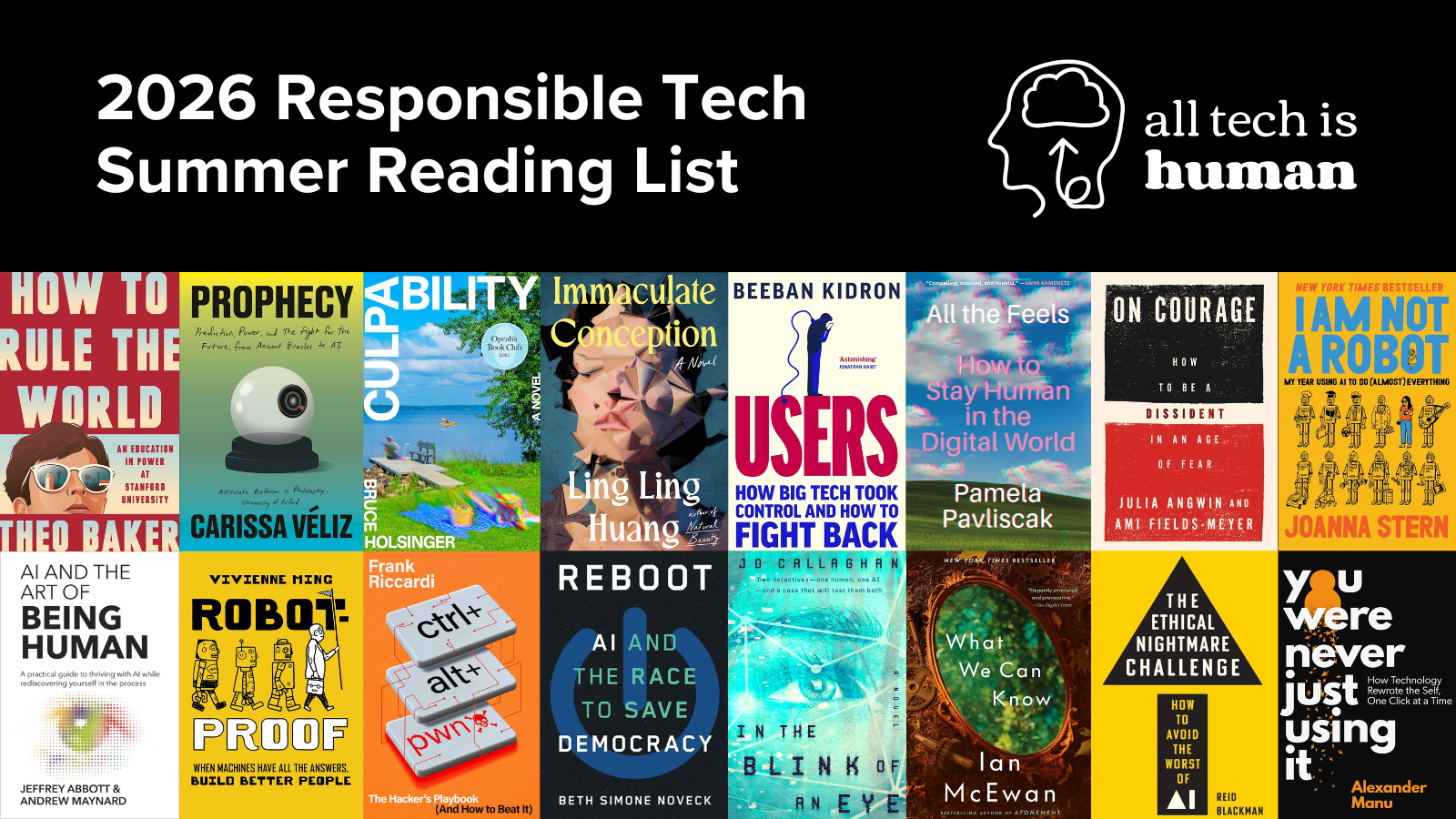
Books in alphabetical order:
AI and the Art of Being Human: A practical guide to thriving with AI while rediscovering yourself in the process
by Jeffrey Abbott and Andrew Maynard
All the Feels: How to Stay Human in the Digital World by Pamela Pavliscak
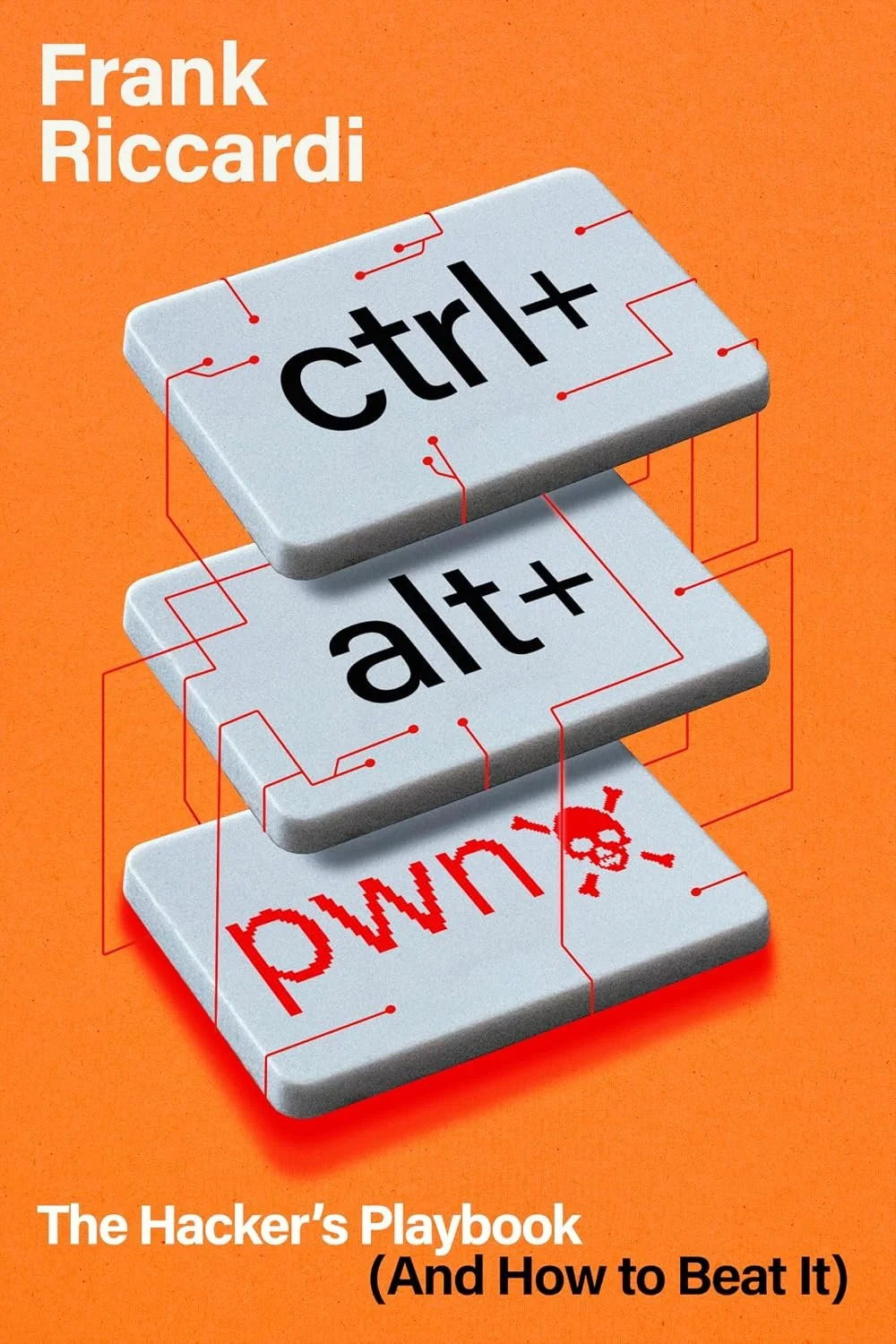
CTRL+ALT+PWN: The Hacker’s Playbook (And How to Beat It) by Frank Riccardi
Culpability: A Novel by Bruce Holsinger
The Ethical Nightmare Challenge: How to Avoid the Worst of AI by Reid Blackman
How to Rule the World: An Education in Power at Stanford University by Theo Baker
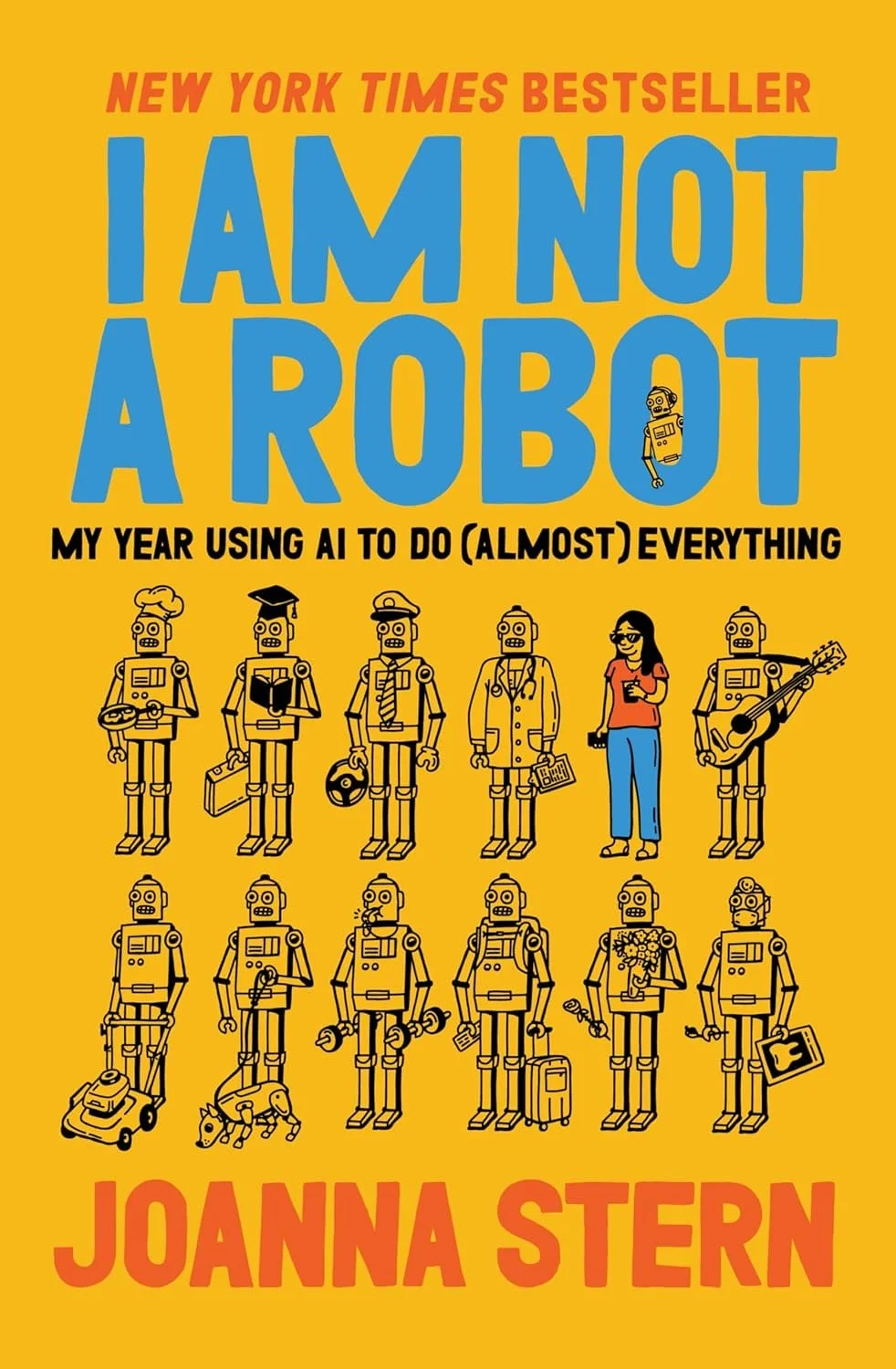
I Am Not a Robot: My Year Using AI to Do (Almost) Everything by Joanna Stern
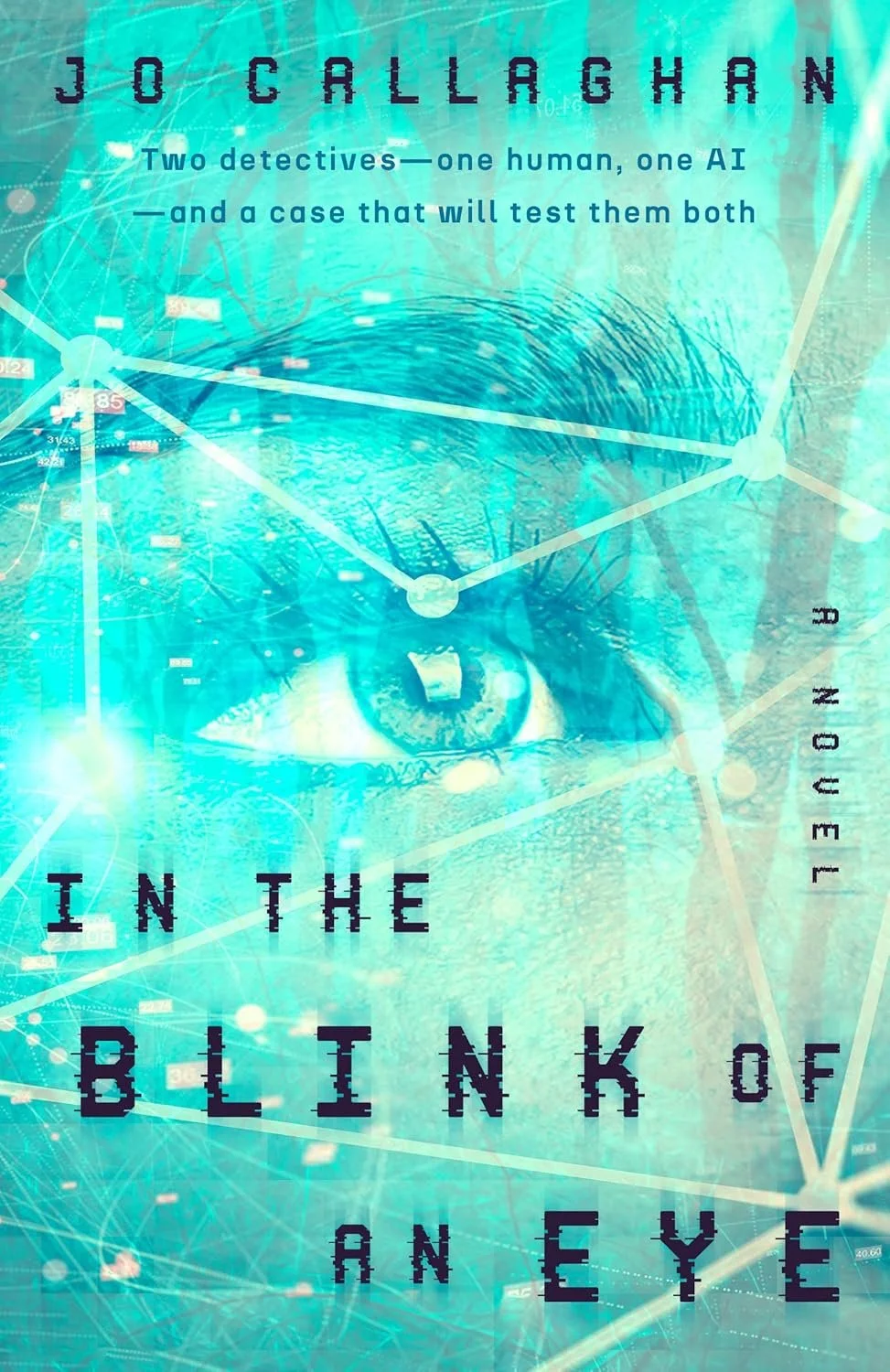
In the Blink of an Eye: A Novel by Jo Callaghan
Immaculate Conception: A Novel by Ling Ling Huang
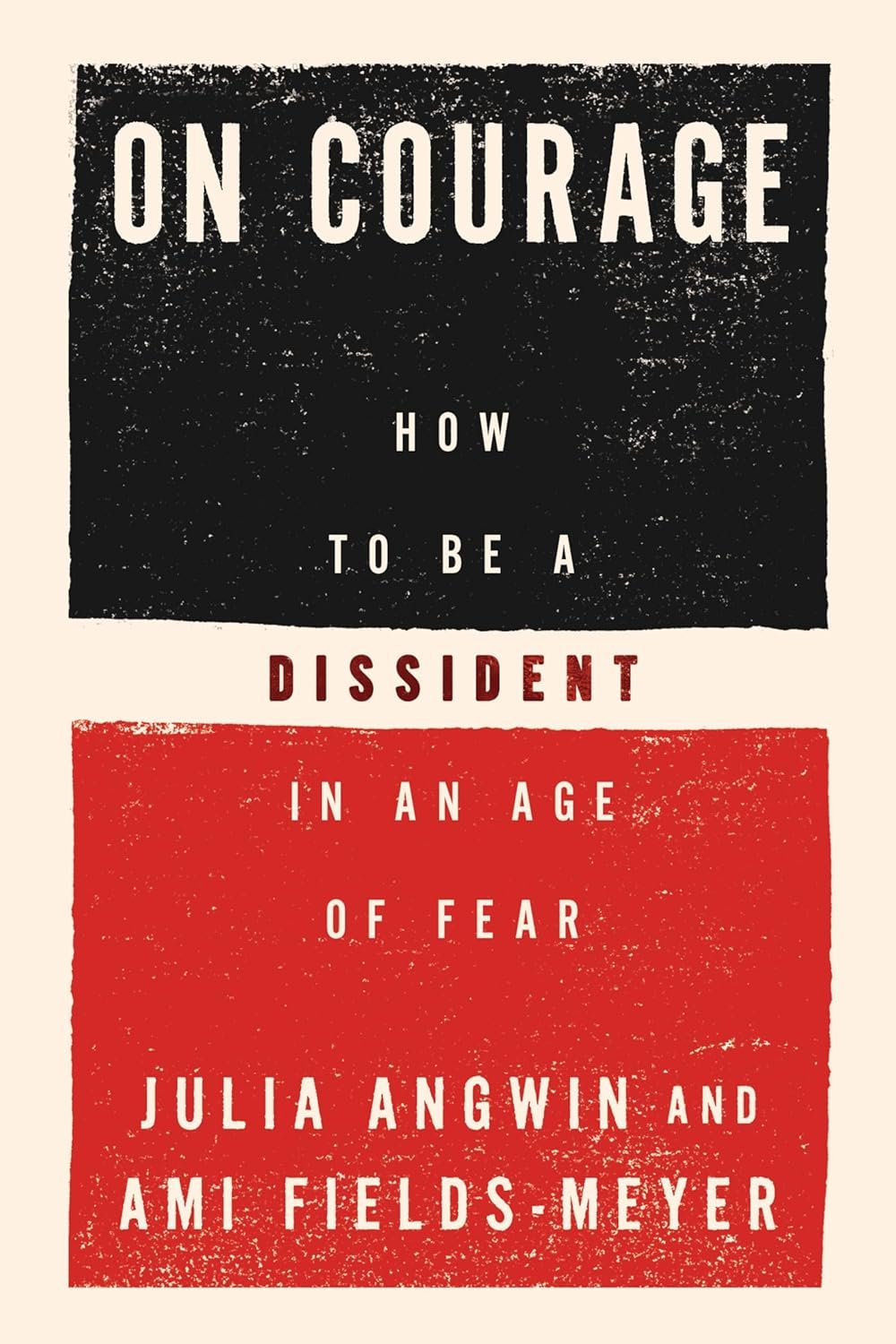
On Courage: How to Be a Dissident in an Age of Fear – A Pulitzer Winner's Guide to Personal Courage in an Age of Authoritarianism by Julia Angwin and Ami Fields-Meyer
Prophecy: Prediction, Power, and the Fight for the Future, from Ancient Oracles to AI by Carissa Véliz
Reboot: AI and the Race to Save Democracy by Beth Simone Noveck
Robot-Proof: When Machines Have all the Answers, Build Better People by Vivienne Ming
Users: How Big Tech Took Control and How to Fight Back by Beeban Kidron
What We Can Know: A Novel by Ian McEwan
You Were Never Just Using It: How Technology Rewrote the Self, One Click at a Time by Alexander Manu
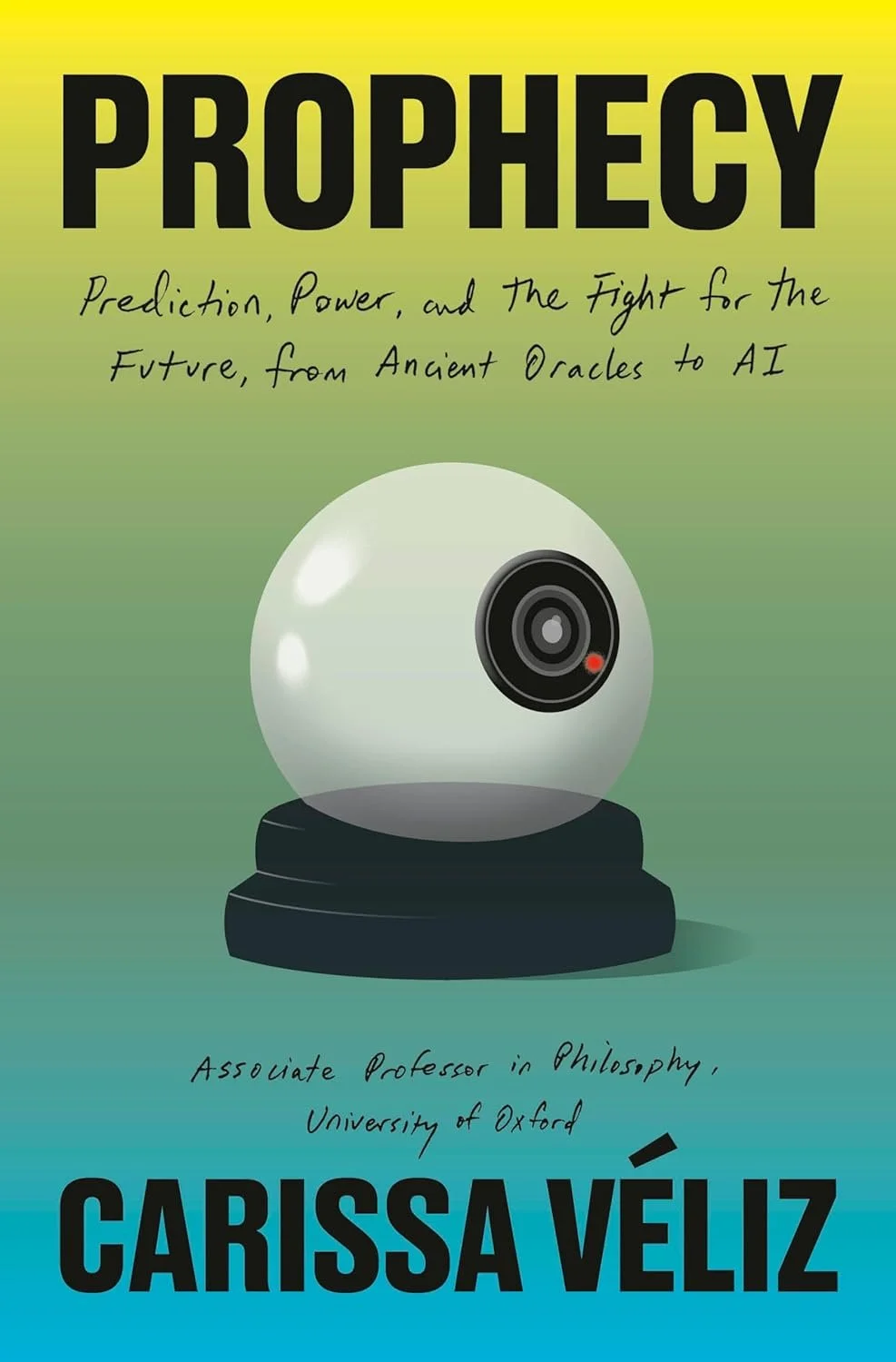
Prophecy: Prediction, Power, and the Fight for the Future, from Ancient Oracles to AI by Carissa Véliz
Description:
“Drawing on history’s cautionary tales and modern-day tech companies’ malfeasance—from surveillance and biased algorithms to a startling lack of accountability—Carissa Véliz demonstrates that big tech’s prophecies are just as shallow, dangerous, and unjust as their ancient counterparts’. What she uncovers in the process is chilling. Artificial intelligence is increasing risk in business and society while creating a false sense of security. In this incisive, witty, and bracingly original book, Véliz contends that the main promise of prediction is not knowledge of the future but domination over others. Powerful people use predictions to determine our future. Prophecy is an invitation to defy those orders and live life on our own terms.”
How to Rule the World: An Education in Power at Stanford University by Theo Baker
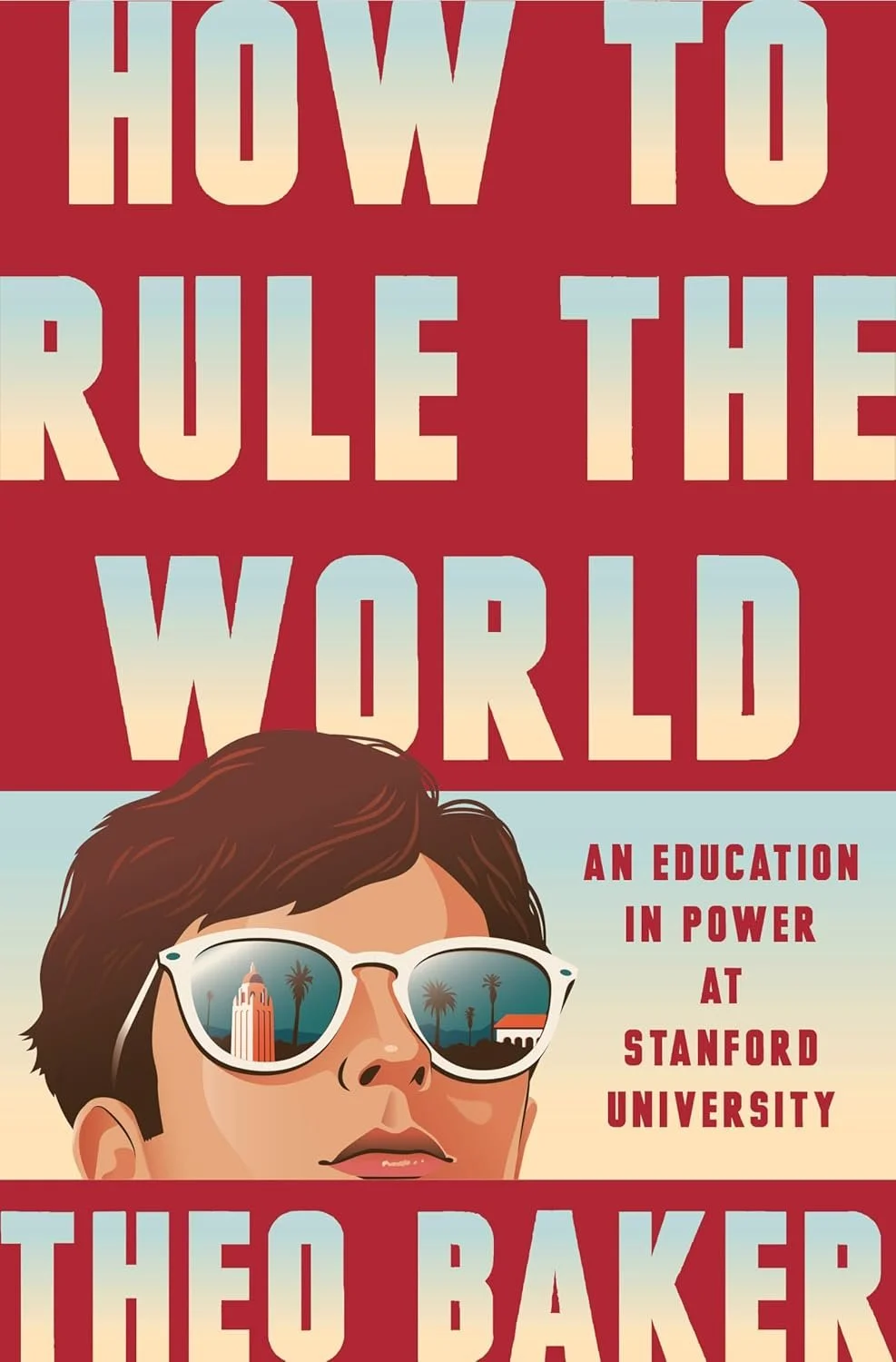
Decription:
“Seventeen-year-old Theo Baker showed up for freshman year at Stanford University as a tech-obsessed coder. It seemed like paradise. There were Rodin sculptures next to nuclear laboratories and inventors lounging with Olympians. But Baker soon discovered a culture that embraced corner-cutting, that vested infinite excess and access in the hands of kids with few safeguards to catch bad behavior.”
All the Feels: How to Stay Human in the Digital World by Pamela Pavliscak
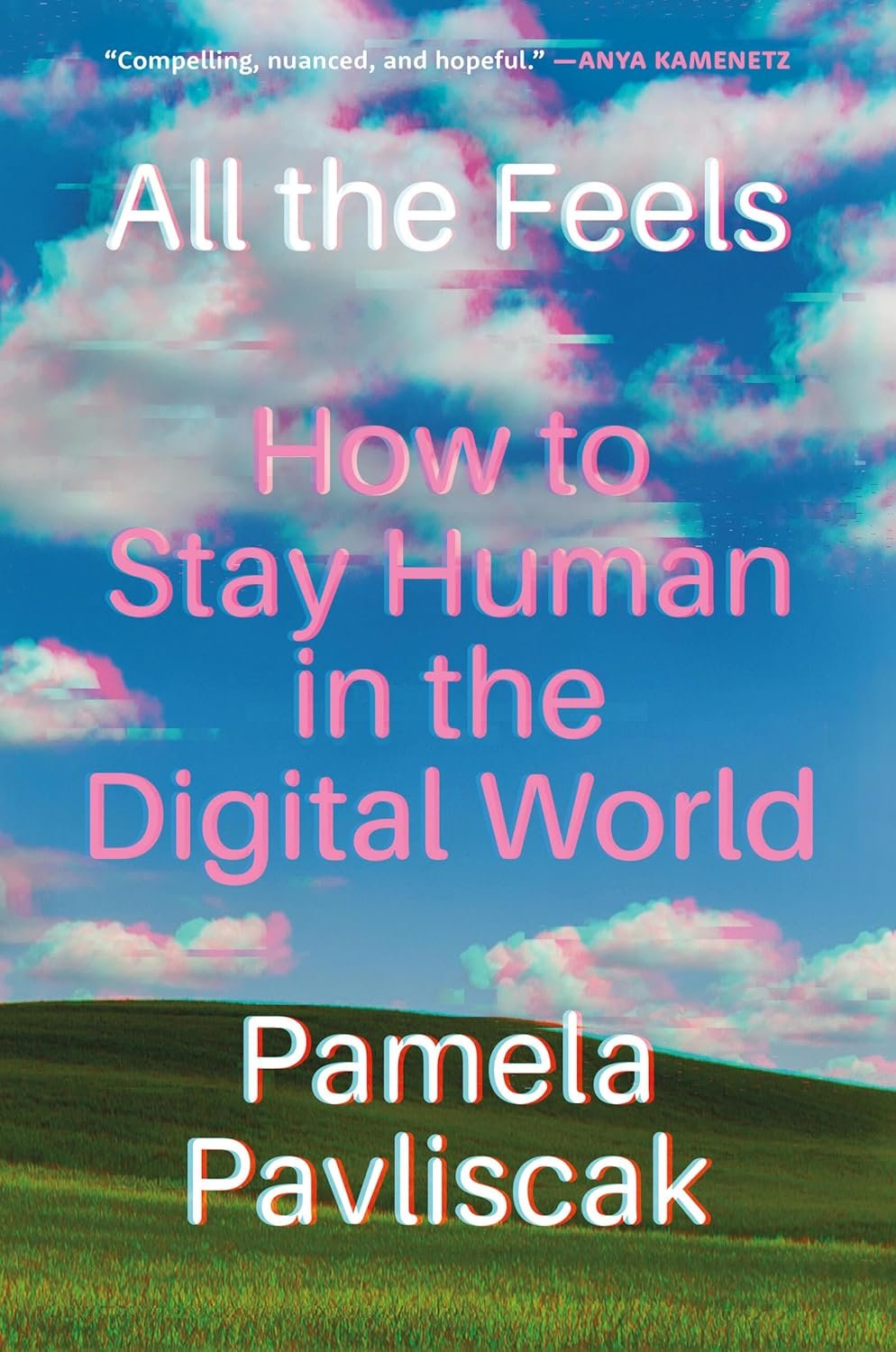
Description:
“In All the Feels, tech and emotional design researcher Pamela Pavliscak reveals for the first time how being so plugged in shapes our emotions. Surprisingly, studies show that digital detoxes have little effect on happiness. Instead, how we engage with the internet (rather than how much) profoundly shapes our lives. Even simple habits like sending emojis to our friends to signal nuance, or making a few positive digital connections every day, can meaningfully support emotional well-being. Pavliscak shows readers how we can open our phones and, rather than anxiety-spiral, foster all the good feels.”
Robot-Proof: When Machines Have all the Answers, Build Better People by Vivienne Ming
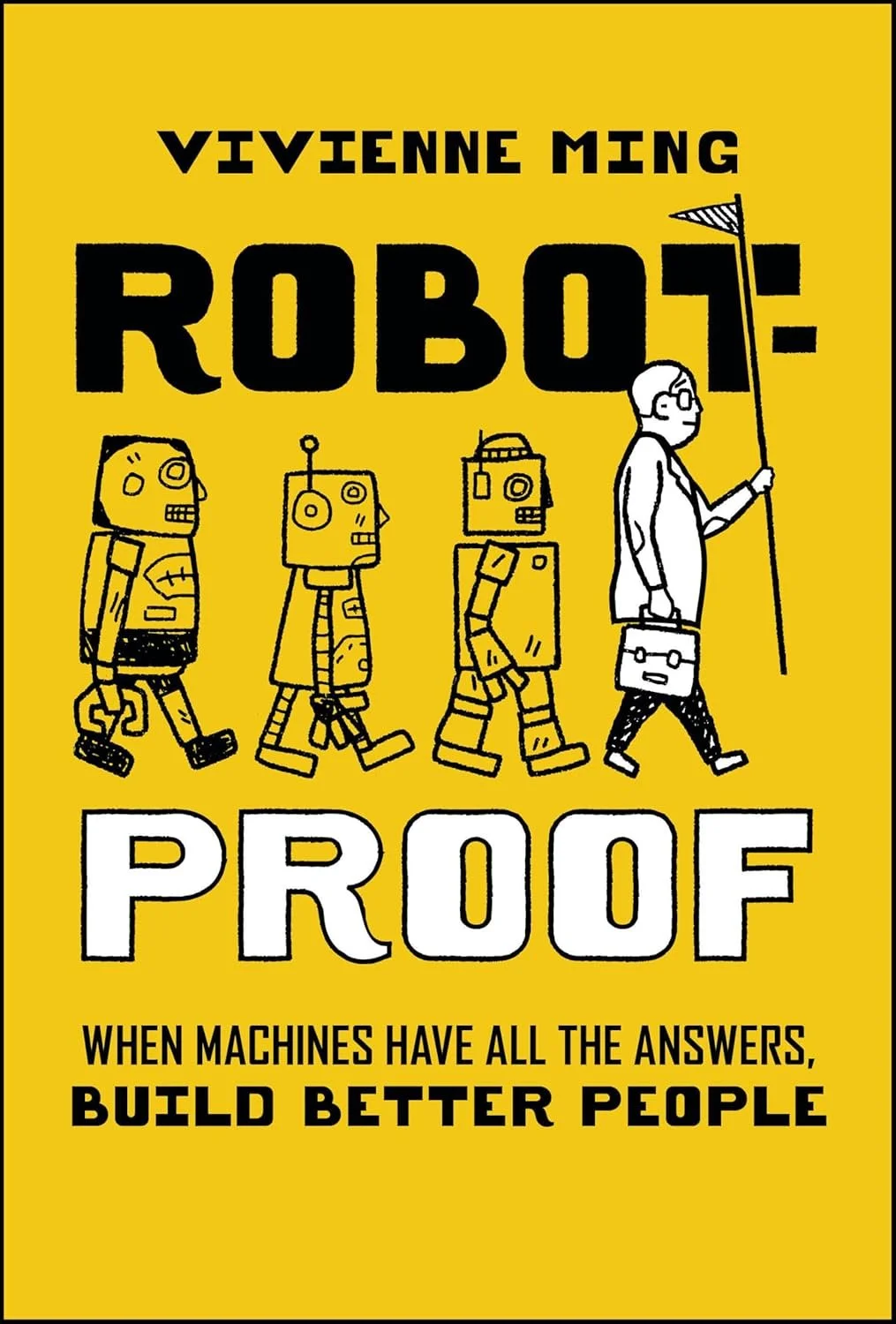
Description:
“In Robot-Proof: When Machines Have All the Answers, Build Better People, Dr. Vivienne Ming, “a force in AI unlike any we have seen before” (Mark Minevich, Forbes), helps readers grasp the ugly and the amazing of how individuals, companies, and societies will respond to the changes that are already taking hold due to the advent of AI. Rather than a wonky textbook on machine learning or a utopian/dystopian (take your pick) screed, Robot-Proof is a book about people, exploring what it means to be human in an increasingly automated world.”
Reboot: AI and the Race to Save Democracy by Beth Simone Noveck
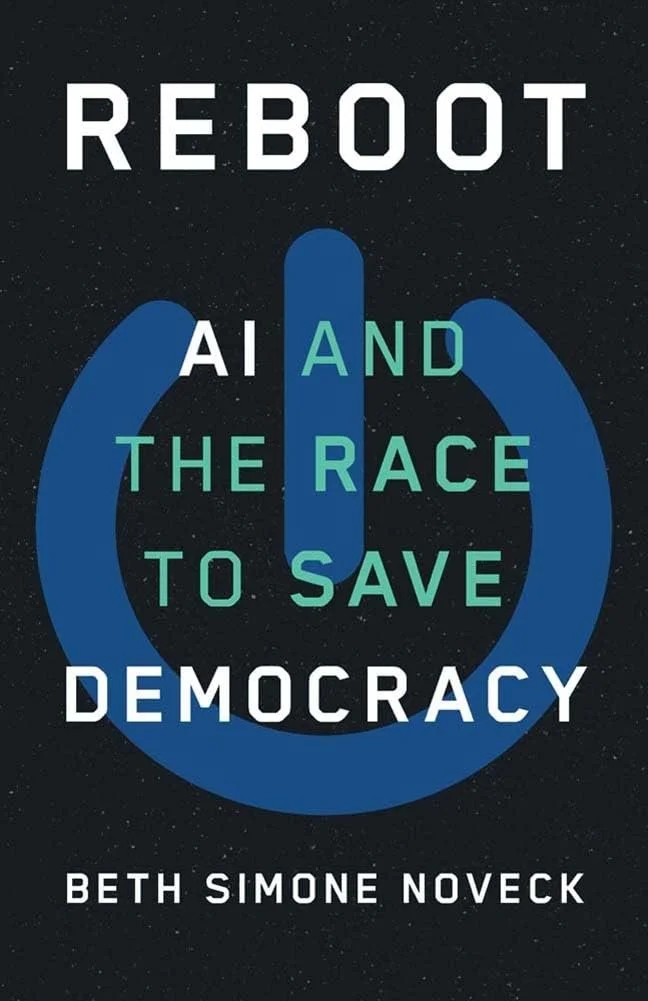
Description:
“Democracy is in retreat at home and abroad. Our institutions and our politics are more broken than ever. At this delicate moment, artificial intelligence has burst onto the scene, a powerful technology that holds as much potential to bolster democracy as to harm it. But we have stopped treating democracy as a solvable problem. We have built extraordinary tools but are not yet using them where they are needed most: to forge institutions that work better for people.
Many warn that AI will accelerate authoritarianism. In Reboot, Beth Simone Noveck makes a different case. Drawing on decades of work building technology and working inside government, from the White House to 10 Downing Street, she shows how democratic institutions can deliberately design, govern, and invest in AI to strengthen democracy rather than undermine it.”
The Ethical Nightmare Challenge: How to Avoid the Worst of AI by Reid Blackman
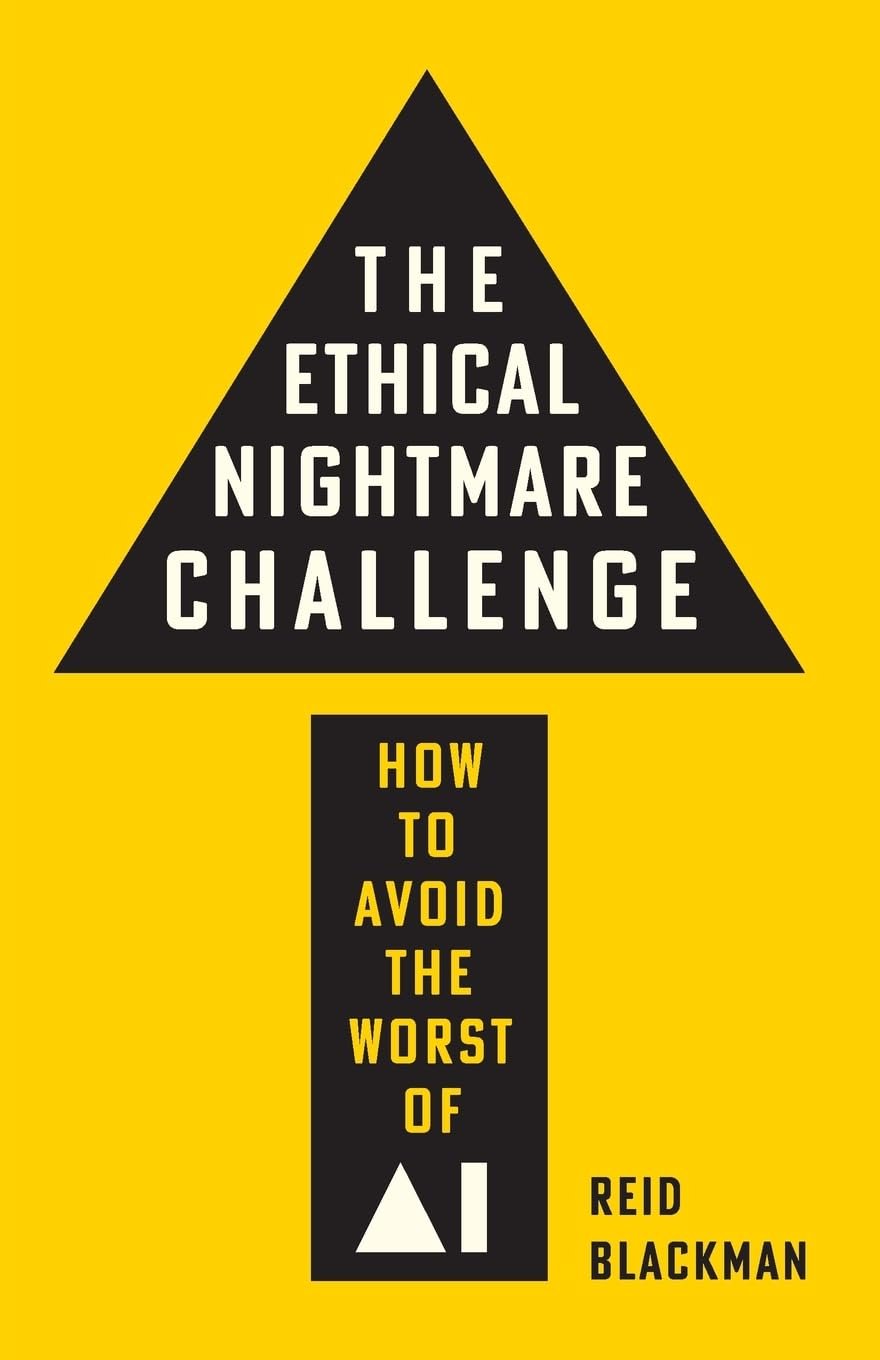
Description:
“AI ethics expert Reid Blackman reveals why the standard approach to AI governance is "utterly inadequate" and destined to fall apart. Whether you are a CEO, a developer, or leading a department or project, you are now part of an ecosystem where SO MANY DECISIONS lead to unpredictable, high-stakes outcomes.”
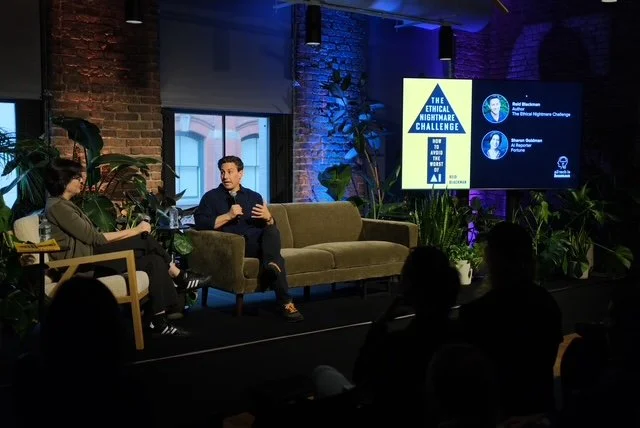
Author Reid Blackman in conversation with journalist Sharon Goldman at a recent All Tech Is Human gathering in NYC.
Immaculate Conception: A Novel by Ling Ling Huang
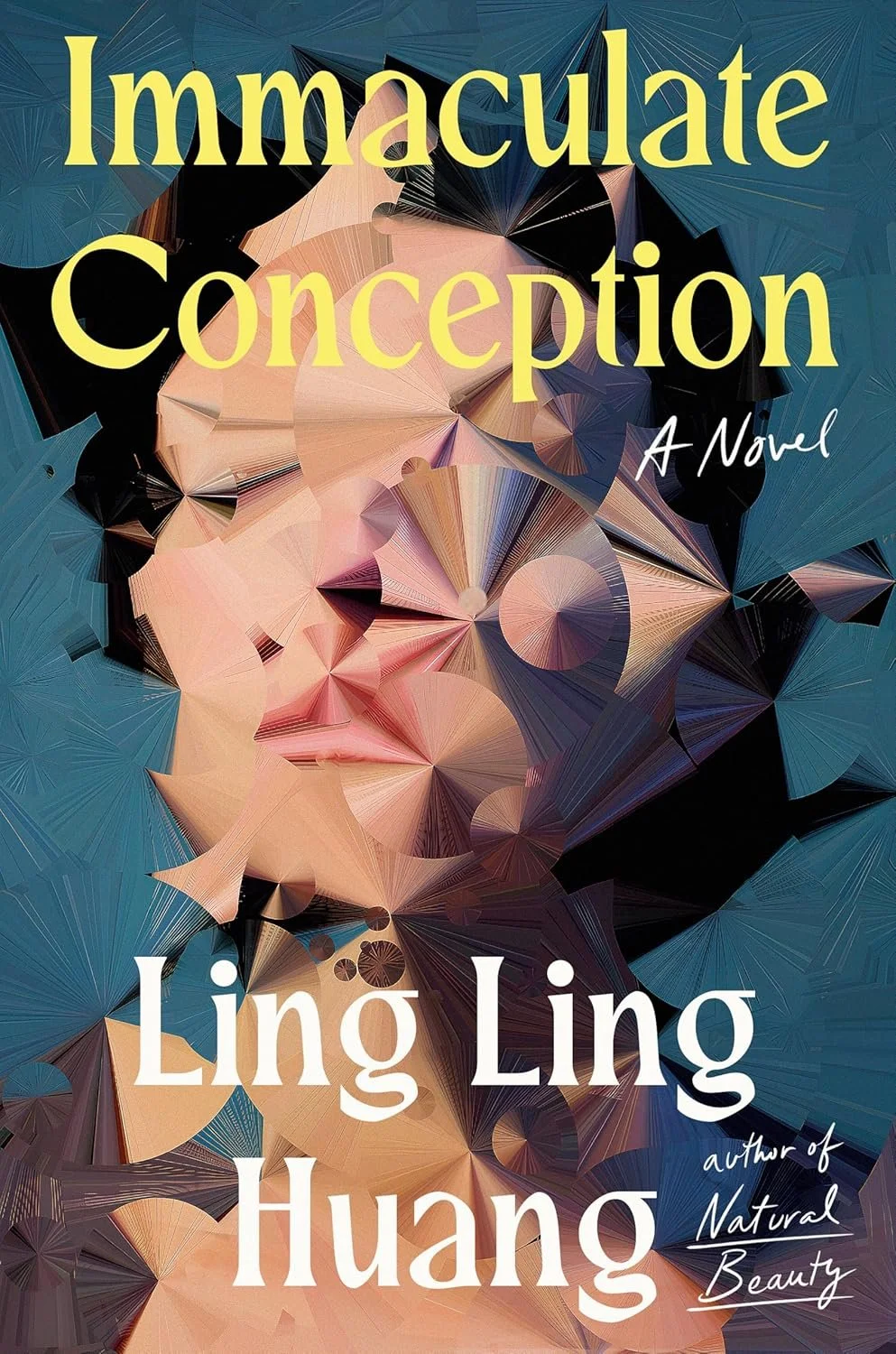
Description:
“Enka meets Mathilde in art school and is instantly drawn to her. Mathilde makes art that feels truly original, and Enka—trying hard to prove herself in this fiercely competitive world—pours everything into their friendship. But when Mathilde’s fame and success cause her to begin drifting away, Enka becomes desperate to keep her close.
Enter SCAFFOLD. Purported to enhance empathy, this cutting-edge technology could allow Enka to inhabit Mathilde’s mind and access her memories, artistic inspirations, and deep-seated trauma. Undergoing this procedure would link Enka and Mathilde forever. But at what cost? ”
AI and the Art of Being Human: A practical guide to thriving with AI while rediscovering yourself in the process by Jeffrey Abbott and Andrew Maynard
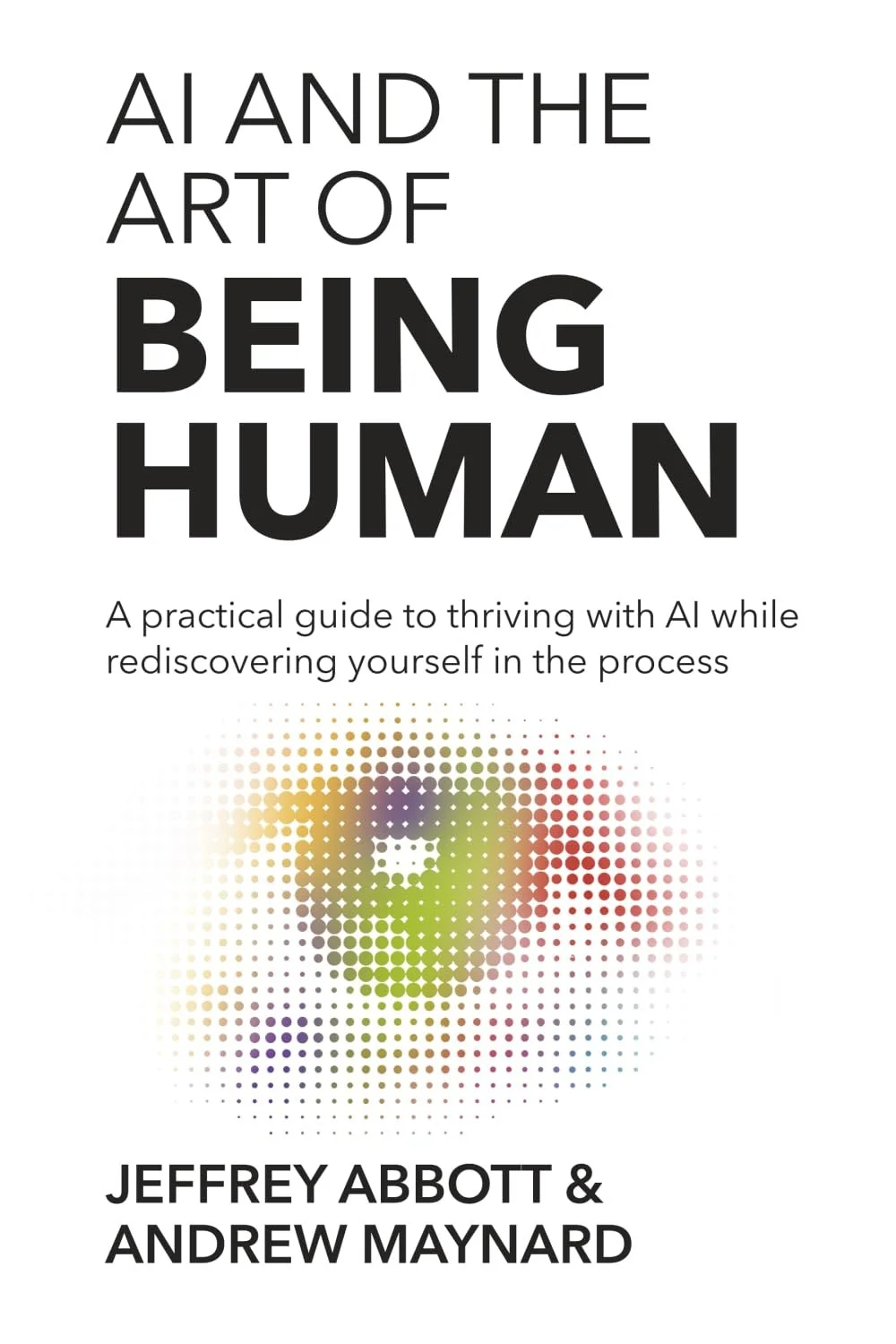
Description:
“In AI and the Art of Being Human, leading experts Jeffrey Abbott and Andrew Maynard explore how to embrace your full humanity at a time when machines are increasingly able to mirror your every move. Blending storytelling and practical insight while drawing on their own work and experiences, they reveal what becomes possible when technology reflects who we are-and how to thrive in an AI-shaped future.”
CTRL+ALT+PWN: The Hacker’s Playbook (And How to Beat It) by Frank Riccardi
Description:
“CTRL+ALT+PWN: The Hacker’s Playbook (And How to Beat It) exposes the secret weapons, sneaky tactics, and psychological tricks used by hackers today—and shows you how to stop them. Whether it’s setting traps with a Wi-Fi Pineapple or using malicious QR codes to send victims to phishing sites, modern hacking isn’t just about code—it’s about manipulating people. And it’s getting more dangerous with the rise of AI, deepfakes, and advanced social engineering.”
I Am Not a Robot: My Year Using AI to Do (Almost) Everything by Joanna Stern
Description:
“You’ve heard the hype: AI will make us healthier, give every child a personalized tutor, run our businesses more efficiently, return hours of free time to our overworked brains, and make discoveries previously unimagined by humankind. The AI future is going to be unlike any other technological revolution. But what does that really mean? And will AI truly make life better?
To find out, award-winning journalist Joanna Stern surrendered her life to artificial intelligence for one year. The results are both hilarious and unsettling.”
In the Blink of an Eye: A Novel by Jo Callaghan
Description:
“Kat Frank knows all about loss. A widowed single mother, Kat is a cop who trusts her intuition, honed through years of on-the-beat police work. Picked to lead a pilot program that has her paired with Lock, an AIDE (Artificially Intelligent Detective Entity)—a hologram that is activated by a device on Kat’s wrist—Kat’s gut reactions about people and motives come up against Lock’s statistical calculations and data analysis that can be devised in seconds.”
On Courage: How to Be a Dissident in an Age of Fear – A Pulitzer Winner's Guide to Personal Courage in an Age of Authoritarianism by Julia Angwin and Ami Fields-Meyer
Description:
“From a Pulitzer Prize-winning investigative journalist and a former White House senior advisor, a deeply reported manual about how anyone can defy an authoritarian – based on original interviews with more than 100 dissidents, activists, and theorists across the world.”
All Tech Is Human will be doing an event with authors Julia Angwin and Ami Fields-Meyer, in partnership with Columbia World Projects, on September 17th at The Forum at Columbia University.
What We Can Know: A Novel by Ian McEwan
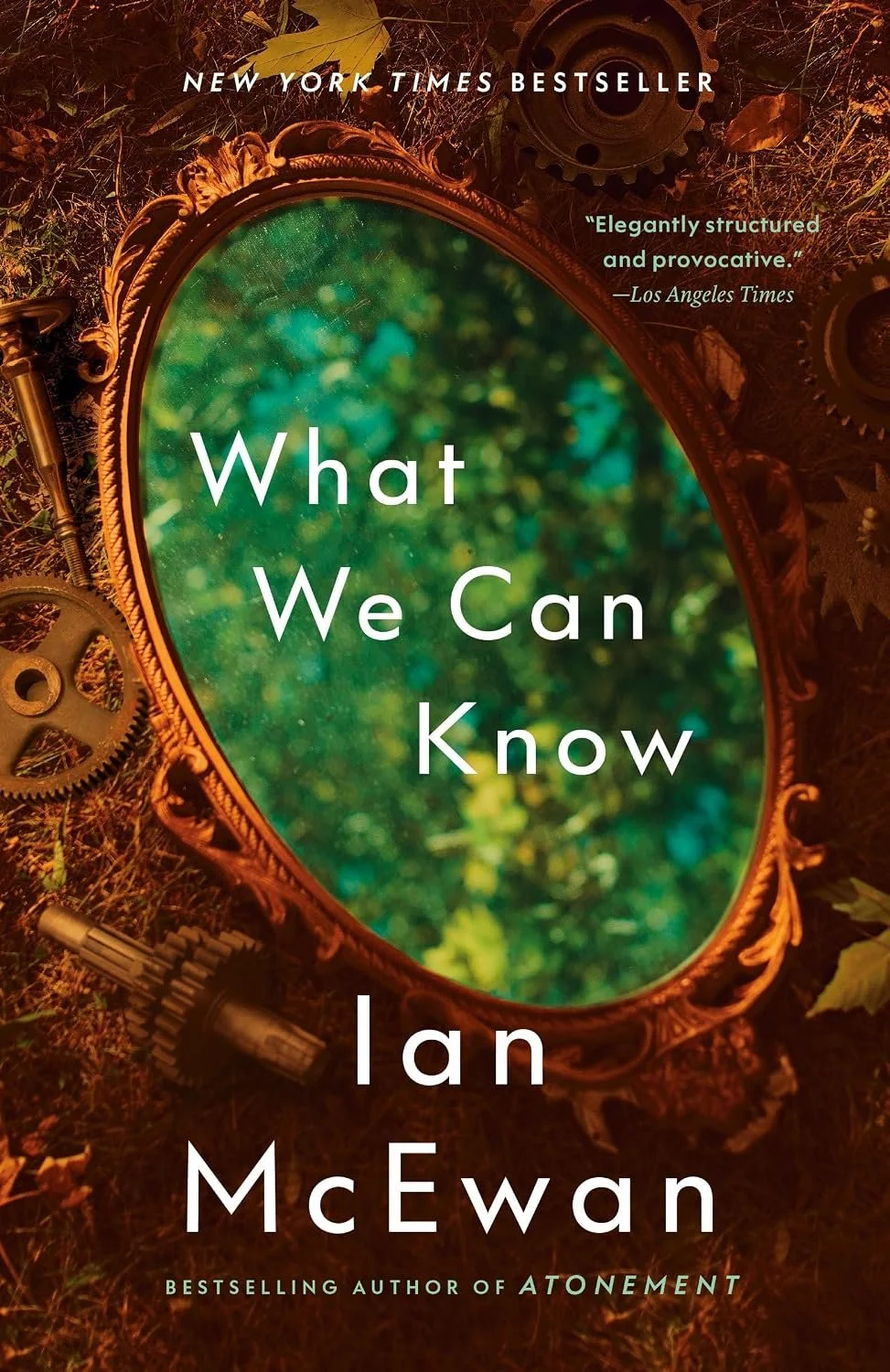
Description:
“2119: Just over one hundred years in the future, much of the planet has been submerged by rising seas following a catastrophic nuclear accident. Those who survive are haunted by the richness of the world that has been lost. In the waterlogged south of what used to be England, Thomas Metcalfe, a lonely scholar and researcher, longs for the early twenty-first century as he chases the ghost of one poem, "A Corona for Vivien." How wild and full of risk their lives were, thinks Thomas, as he pores over the archives of that distant period, captivated by the vivid romances, politics, and betrayals of the era. When he stumbles across a clue that may lead to the elusive poem’s location, a story is revealed of entangled loves, long-kept secrets, and a brutal crime that destroys his assumptions about people he thought he knew intimately.”
Users: How Big Tech Tool Control and How to Fight Back by Beeban Kidron
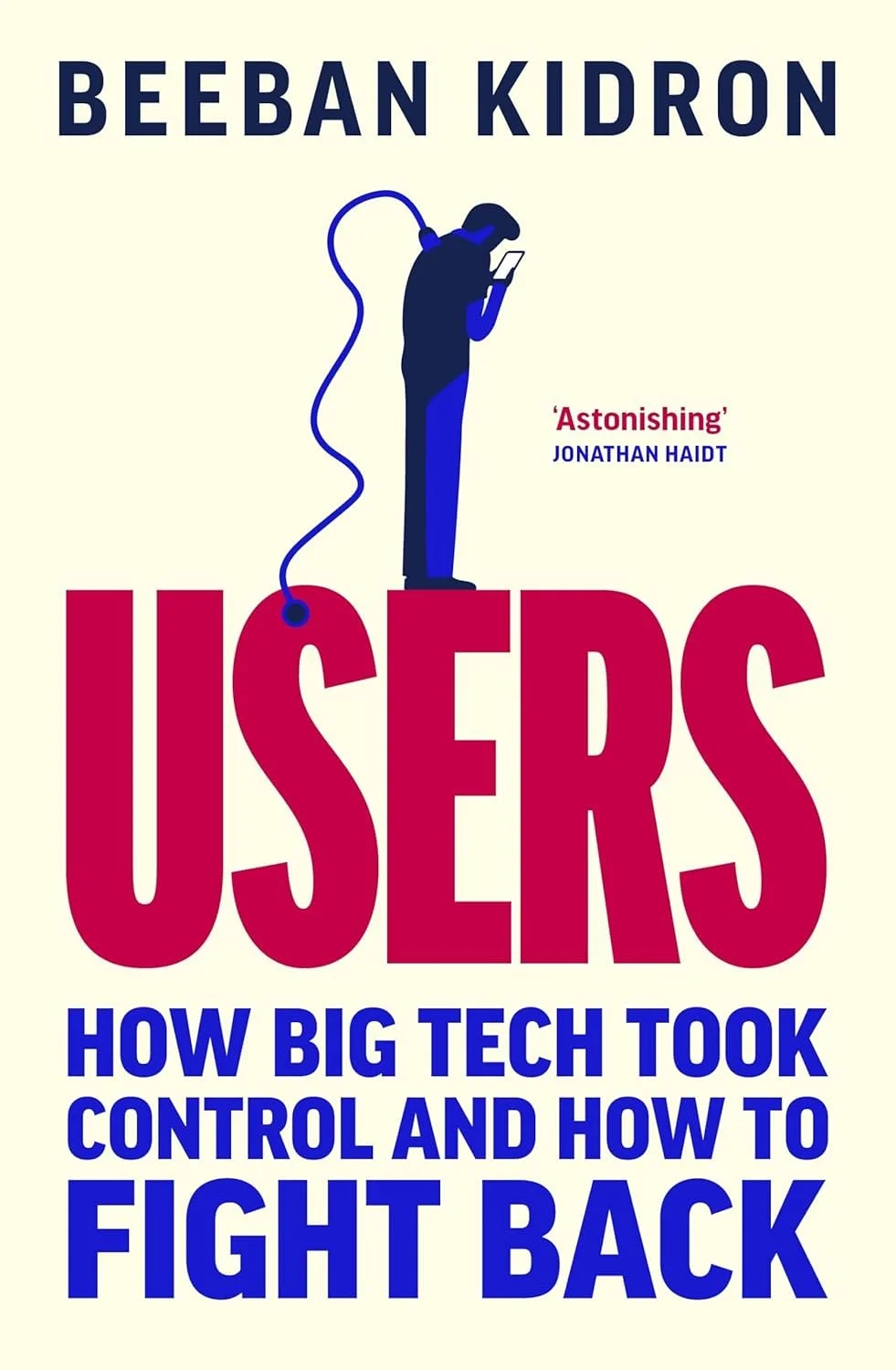
Description:
“In USERS, legislator and campaigner Beeban Kidron takes you on a journey from the halls of Parliament and the UN to the White House and Silicon Valley. Through her encounters with specialist police officers, bereaved parents, lobbyists and tech bros, you’ll witness the unchecked power of Big Tech, as they avoid rules and regulations, and capture governments that are meant to protect us.”
Culpability: A Novel by Bruce Holsinger
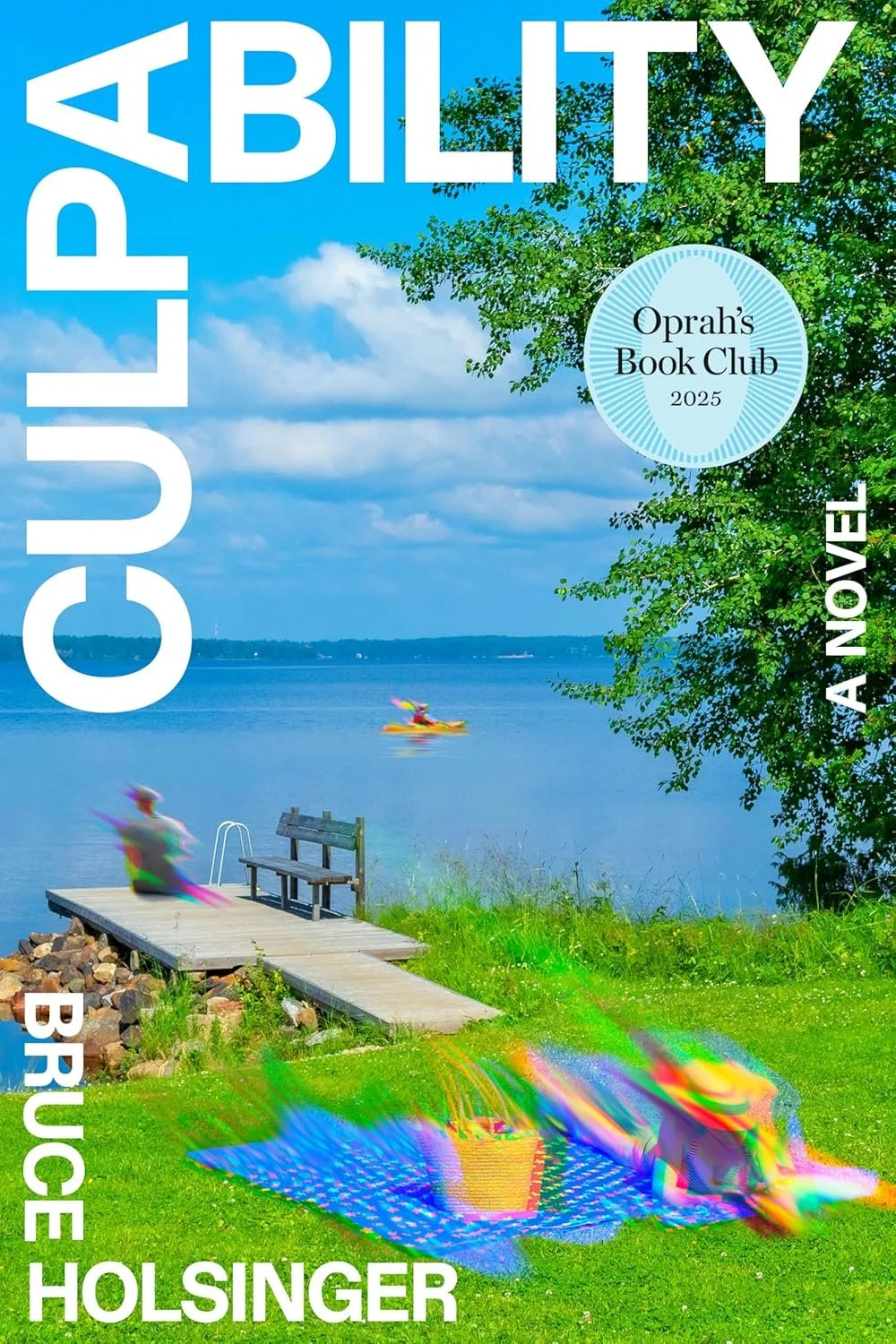
Description:
“When the Cassidy-Shaws’ autonomous minivan collides with an oncoming car, seventeen-year-old Charlie is in the driver’s seat, with his father, Noah, riding shotgun. In the back seat, tweens Alice and Izzy are on their phones, while their mother, Lorelei, a world leader in the field of artificial intelligence, is absorbed in her work. Yet each family member harbors a secret, implicating them all in the tragic accident.”
You Were Never Just Using It: How Technology Rewrote the Self, One Click at a Time by Alexander Manu
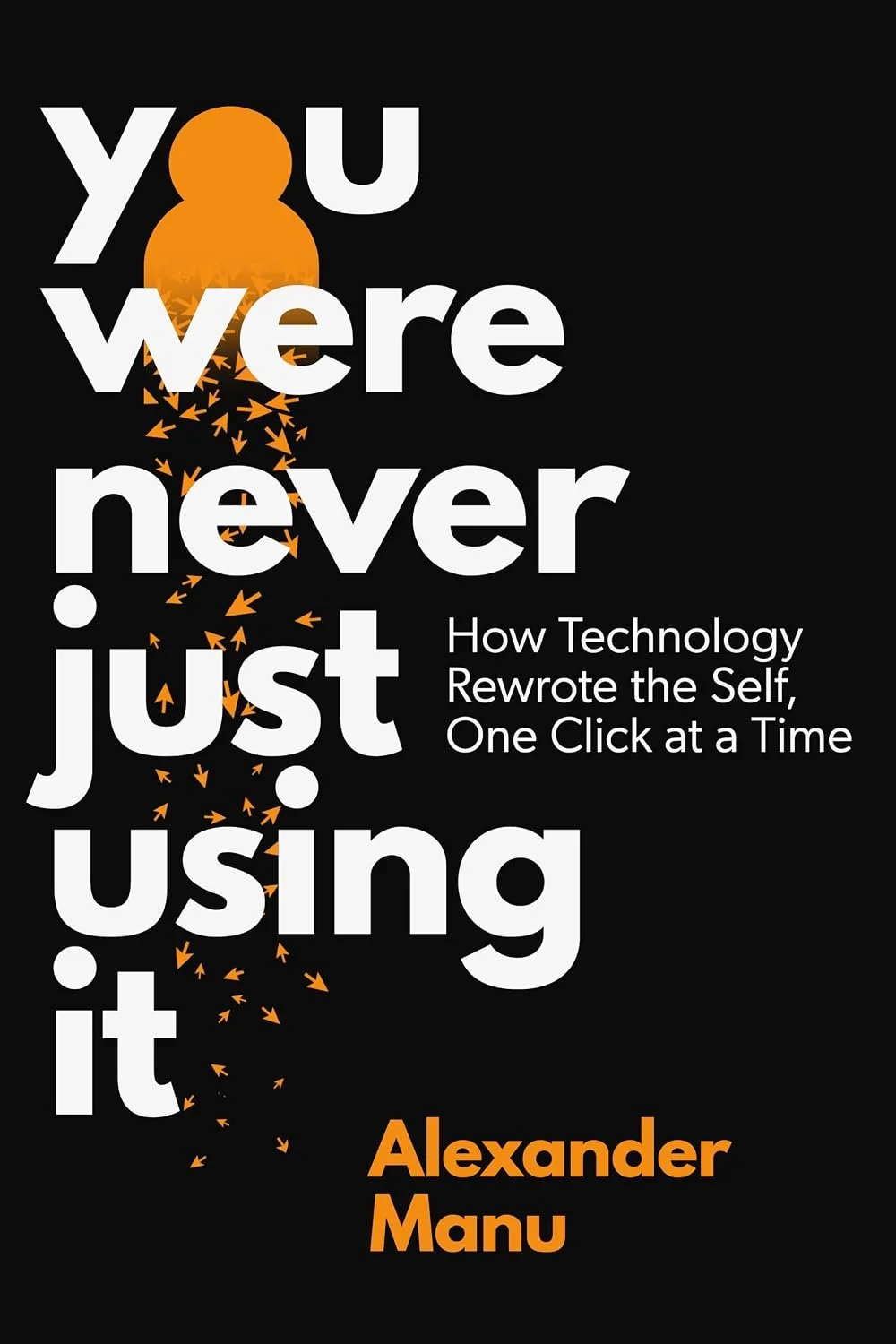
Description:
“In You Were Never Just Using It, Alexander Manu shows how technology's true power lies not in devices but in the quiet transformations they spark in us. Since 1978, each innovation has been less about invention and more about absorption: desktops that reshaped work, smartphones that redefined memory, AI systems that anticipate thought. Organized in three acts--from disruptive tools, to ambient shifts, to the rise of the post-digital self--this book maps how convenience became identity and how interfaces became mirrors of our inner lives. Provocative and deeply reflective, Manu argues that technology is never just something we use; it is something that rewrites us, one unnoticed gesture at a time.”
Thank you for reading this year’s Responsible Tech Summer Reading List!
This curated list of compiled by All Tech Is Human, a non-profit committed to tackling the world’s thorniest tech & society issues. We do this by providing the relational infrastructure for the Responsible Tech ecosystem, providing a conducive space for solution-making, and rapidly distributing new concepts and best practices across our extensive network.
Are you looking to discuss these books with others? Join our Slack community of over 14k members across 109 countries, attend our bi-monthly livestream series, and attend our regular in-person gatherings happening in NYC, DC, SF, and London.
See all of our projects and links
Previous book selections:
The Age of Surveillance Capitalism by Shoshana Zuboff
The Algorithm by Hilke Shellman
Algorithms of Oppression by Safiya Noble
The AI Mirror by Shannon Valler
AI Snake Oil: What Artificial Intelligence Can Do, What It Can’t, and How to Tell the Difference by Arvind Narayanan and Sayash Kapoor
Digitally Invisible by Nicol Turner Lee
Empire of AI: Dreams and Nightmares in Sam Altman's OpenAI by Karen Hao
Enshittification: Why Everything Suddenly Got Worse and What to Do About It by Cory Doctorow
Hello World by Hannah Fry
How Data Happened by Chris Wiggins
How to Do Nothing by Jenny Odell
Internet for the People by Ben Tarnoff
Invisible Rulers by Renee DiResta
The Optimist: Sam Altman, OpenAI, and the Race to Invent the Future by Keach Hagey
Outrage Machine by Tobias Rose-Stockwell
More Everything Forever: AI Overlords, Space Empires, and Silicon Valley's Crusade to Control the Fate of Humanity by Adam Becker'
Nexus: A Brief History of Information Networks from the Stone Age to AI by Yuval Noah Harari
[Re]coding America by Jennifer Pahlka
Taming Silicon Valley: How We Can Ensure That AI Works for Us by Gary Marcus
Team Human by Douglas Rushkoff'
Tech Agnostic: How Technology Became the World's Most Powerful Religion, and Why It Desperately Needs a Reformation by Greg Epstein
The Tech Coup: How to Save Democracy from Silicon Valley by Marietje Schaake
The Thinking Machine: Jensen Huang, Nvidia, and the World's Most Coveted Microchip by Stephen Witt
The Tech That Comes Next by Amy Sample Ward and Afua Bruce
Unmasking AI by Joy Buolamwini
Viral Justice by Ruha Benjamin
Weapons of Math Destruction by Cathy O’Neil
The Worlds I See by Fei-Fei Li
Your Face Belongs to Us by Kashmir Hill