Meet Our Summer Volunteer Cohort!
We are excited to launch our Responsible Tech Guide next week on Tuesday, September 13! All Tech Is Human would not be able to achieve this without its community. We are truly thankful for all that our volunteers have contributed to.
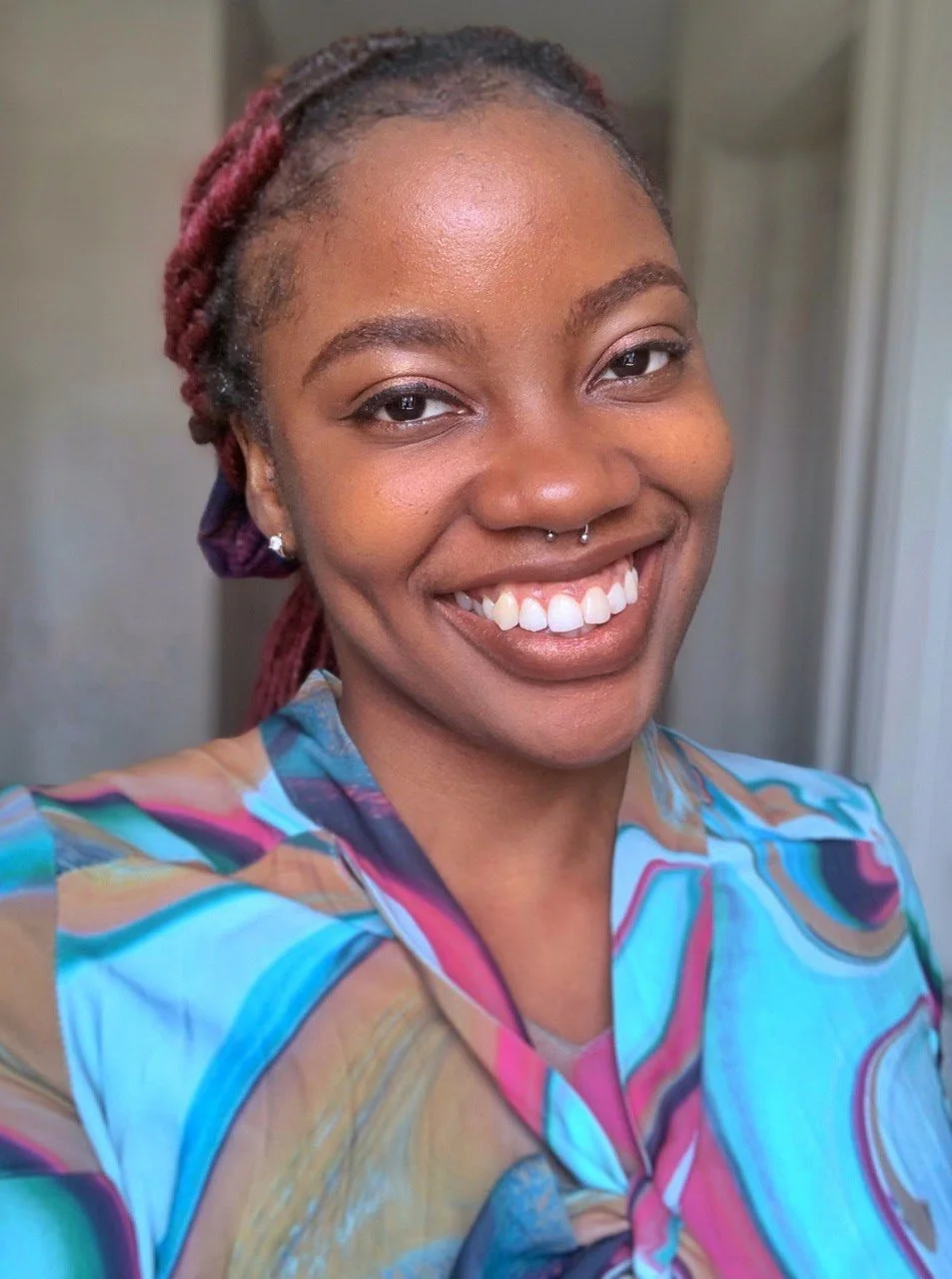
Adaku Nwakanma, Product Designer
Twitter: @adakanma
Adaku Nwakanma is a digital experience designer using social psychology and research skills to help businesses build products that help people live better. She is passionate about bringing ethical analysis into tech development to create humane-centric innovation with long-term benefits.
How does the narrative need to change in the responsible tech space?
“Positive change begins by ensuring that there is justice - across race, class, sex, and wherever there are inequalities - and it is more pertinent as our world becomes even more connected through technology. This means we need more advocates and people working to actualise a more sustainable future.”

Alexandra Krawetz, Recent Humanities Ph.D. from Yale University
Dr. Alexandra Krawetz (she/her) received her Ph.D. in music history from Yale University in 2022. Her work asks, what does it mean to be safe? She connects media and technology with the arts to examine child and youth well-being from the twentieth century to today. Alexandra’s work is forthcoming in the Journal of the Society for American Music. Her research has been supported by institutions such as the Association for Recorded Sound Collections, the Society for American Music, and Princeton University Library. In her work on responsible tech, Alexandra illustrates how approaches from the humanities can inform trust and safety. She has consulted on safety by design and shared her work nationally and internationally, including with the Center for Humane Technology’s Foundations of Humane Technology course community and at the forthcoming First Annual Trust and Safety Research Conference.

Andrew McAdams, Sr. Manager, Product Management Operations at VMware Carbon Black
Andy is Product Leader whose interest in responsible tech started with the Laws of Robotics and SkyNet. With degrees in Rhetoric and Media Studies and over a decade working in technology he threw himself into the responsible tech movement, striving every day to make Tech a little more Human.
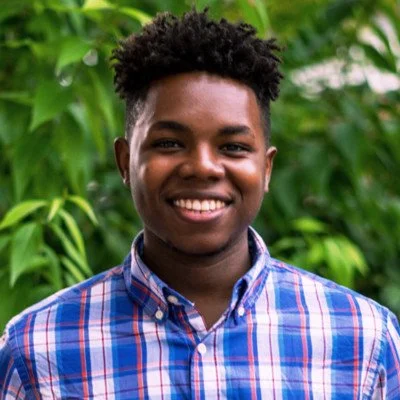
Brian Policard (They/He)
Twitter: @BrianPolicard
Mixed-media artist, and community organizer exploring at the intersection of (co-)creative expression, data (h)activism and (pro)social design. You can usually find them behind a camera at a community event, reading about data rights and mis-/disinformation, or imagining sustainable alternate futures with friends through collaborative world-building.
How does the narrative need to change in the responsible tech space?
“The communities disproportionately impacted by the negative externalities of unmitigated techno-solutionist world-views and systems need to be centered as the experts (as opposed to victims / data points / pro-bono consultants) most qualified to rewrite their own narratives and (re)design their own futures.”
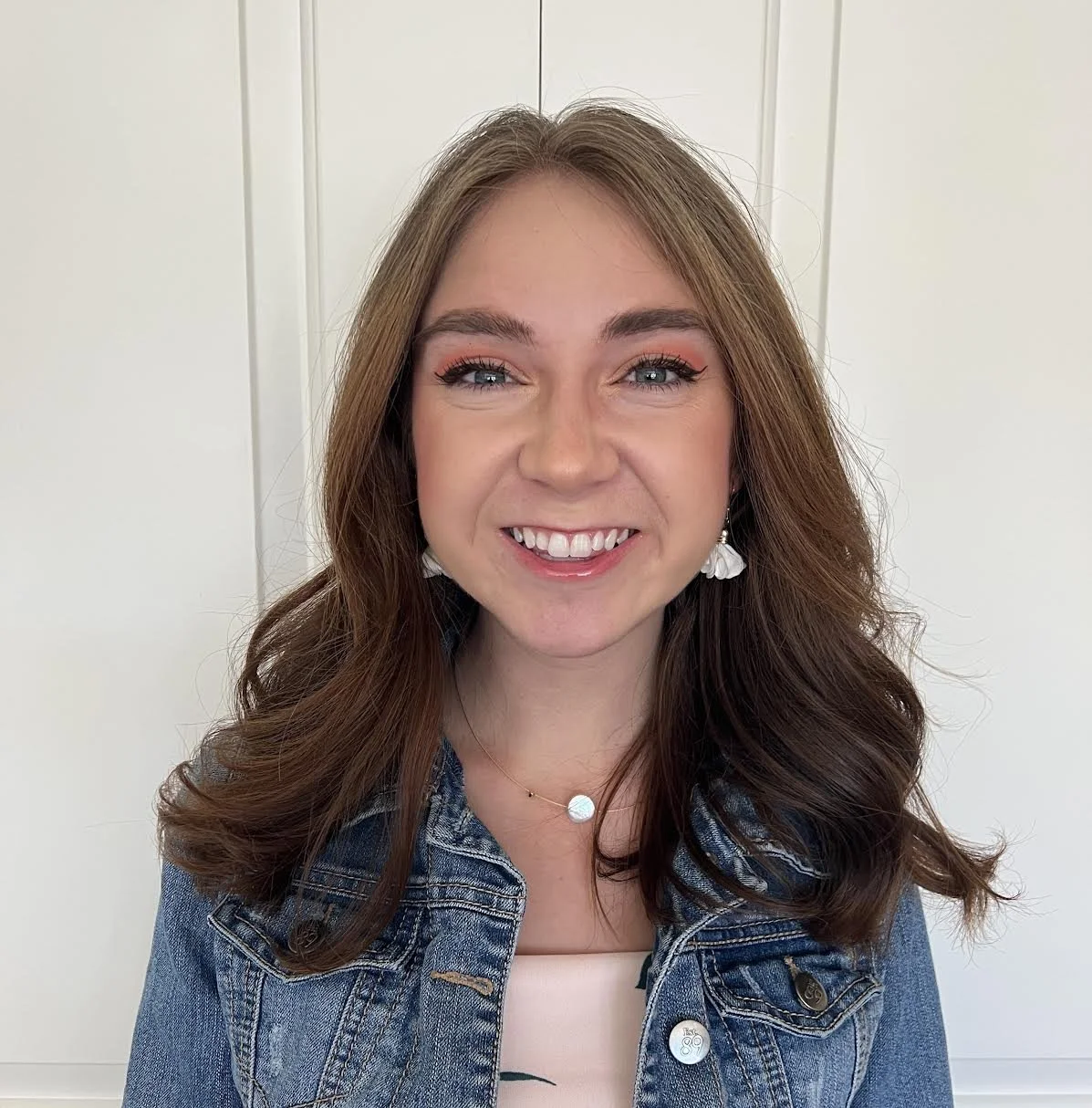
Carissa Anderson, Communications Student at University of New York in Prague
Carissa Anderson is an undergraduate student from San Diego, CA who studies at University of New York in Prague. She hopes to develop a career working in the social science and educational branch of responsible technology, as well as help people cultivate healthy and mindful habits with their technology usage. In her free time, she loves to educate herself within this space by reading technology books, listening to podcasts, attending conferences, and overall absorbing as much information related to humane tech as possible. She's very grateful for All Tech is Human and all of the brilliant work they're doing to create responsible tech spaces, and looks to the future with optimistic eyes to see the work manifest into safe digital spaces for all.
How does the narrative need to change in the responsible tech space?
“First and foremost, education is essential and powerful. A movement like this cannot be successful without widespread education. As nearly everyone uses technology, they need to be informed on how these corporations manipulate them and their privacy. While the majority of the work lie in the hands of big tech and policy makers to actually create and enforce these safe spaces, it is still essential to understand the way technology affects everyone's lives.”

Daniela Duta, PhD Candidate, Institute of Legal Research ”Acad. Andrei Rădulescu ” School of Advance Studies of the Romanian Academy, Research Fellow at Center for AI and Digital Policy
Daniela is a PhD Candidate in European law at the Institute for Legal Research “Andrei Radulescu”, Romanian Academy, Department of Economic, Social and Legal Sciences and the research subject is about the protection of the fundamental right to privacy and personal data in the European Union. Her work focuses on law, data protection, privacy, Artificial Intelligence regulation and new technologies. Her previous work includes more than 15 years of legal experience and data protection in European financial institutions.
She has a degree in law and a master in European Law, has completed several AI, data protection courses and English and European Union Law at the University of Cambridge, Faculty of Law and company law courses at the International Summer School on European Business and Corporate Law at the Heinrich-Heine Universität Düsseldorf, Center for Business & Corporate Law.
She participated in national and international conferences with topics related to data protection, private life and artificial intelligence.
How does the narrative need to change in the responsible tech space?
“In a responsible tech space the future dominated by AI and new technologies is regulated and there are mandatory rules designed to protect the fundamental rights, confidentiality and privacy.”
Duduetsang Mokoele, Policy Analyst
Duduetsang is a multi-disciplinarian currently operating at the intersection between technology, and society. Duduetsang can achieve goals both as a cross-functional team member and an individual contributor. Duduetsang has a proven track record in leading policy engagements, building relationships, scenario planning and communication with key regional and international stakeholders including policymakers, regulators, multinational companies, civil society and academic institutions.

Elisa Fox, Program Assistant at Observer Research Foundation America
Elisa looks to foster multistakeholder cyber policy that is inclusive and historically informed. She is currently the Program Assistant at Observer Research Foundation America where she helps with the Global Cyber Policy Dialogues project. Her research interests include digital inclusion and digital rights as well as public policy and transnational security, especially in the Asia-Pacific. Elisa comes from a diverse professional background, having worked in HR, construction, and higher education to name a few. She earned her BA in Politics and MS in Global Affairs from New York University.
How does the narrative need to change in the responsible tech space?
“I think the narrative should reflect that the responsible tech space is fluid and can mean different things to different people. There is no set definition so you need to create your own. This then creates a unique characteristic compared to other spaces in that your perspective is extremely important because you and only you can bring your perspective and experience.”

Grace Volante, Postgraduate Student at the University of Edinburgh
A postgraduate Philosophy student at the University of Edinburgh, I am interested in pursuing the ethics and possible consciousness of AI, academically and potentially as a career. An ardent researcher of philosophy since my teenage years, and follower of the responsible tech movement since my time at university, I am keen to get involved in the movement and learn whatever I can from others.

Gwyn Glasser, Fellow at AI Core /Contributor at ForHumanity
Gwyn is a ML Engineering trainee at AICore with a degree in Philosophy and Literature from the University of Edinburgh. He contributes for All Tech is Human and For Humanity and is passionate about the intersection of technology and culture. He aims to bring together industry experience and his foundation in philosophy to explore new ways of thinking about identity, community and value in order to meet the challenges of the digital age.
How does the narrative need to change in the responsible tech space?
“To be multidisciplinary in our approach should be to give more value to human systems alongside technical ones. Often we turn to technical solutions to problems that could more easily be resolved by working on human practices.”

Leah Farrar, Tech Policy
Twitter: @LeahsFarrar
An attorney and writer with a passion for tech policy, Leah served as the President of the Internet Law and Policy Foundry's 3rd class of Fellows. She is a member of the Space Generation Advisory Council's Space Law and Policy Project Group, the Internet Society, and was selected as a 2021 Cyber Fellow with YPFP, and is excited to be part of All Tech is Human’s 2022 Summer Cohort. A graduate of St. Lawrence University and The George Washington University Law School, where she was an Editor on the American Intellectual Property Law’s Quarterly Journal, Leah is particularly interested in how emerging technologies influence storytelling in digital and non-digital spaces, and the impact that has on security, identity, and international relations.

Leigh Yeh, Technical Product Manager at Spren
Twitter: @missloveleigh
Instagram: @ohsoloveleigh
Leigh has degrees in computer science and cognitive science, and has done research in computational social science, natural language processing, product design, psychology, and more! She loves being part of multi-disciplinary teams that can come together to build something beautiful. She loves hiking, catching up with friends, reading books, eating food, and admiring art. She also loves connecting with people, so don't hesitate to connect with her on LinkedIn!

Lili Siri Spira, Social Media and Campaign Marketing Manager
Twitter: @lilisirispira
Lili is all about creating more ethical tech to develop a more equitable world—and vice-versa. Yes, her middle name really is Siri. She is currently the Social Media and Campaign Marketing Manager for TechEquity Collaborative, engaging the tech workforce in issues within the tech industry and beyond. Lili co-founded Rated R(esilient)—a platform promoting psycho-social resilience for digital activists—and ran workshops and presentations for cybersecurity professionals. She was previously an open-source investigator and has worked for the Human Rights Investigations Lab at UC Berkeley, Media Matters, OnlineSOS, and the Center for Justice and Accountability.

Lisa Hehnke, Independent Consultant & Facilitator at DataPlanes.org
Twitter: @DataPlanes
Lisa is a Berlin-based freelancer working at the intersection of people, business, and technology to help organizations create a better world. She is passionate about designing holistic solutions to complex social and organizational challenges that build bridges between sectors, disciplines, and people. Drawing on a multidisciplinary background plus a wide variety of experiences across roles and contexts, Lisa integrates analytical methods and human-centered design to reframe those challenges as opportunities to analyze the world as it is―and explore how it might be in the future.
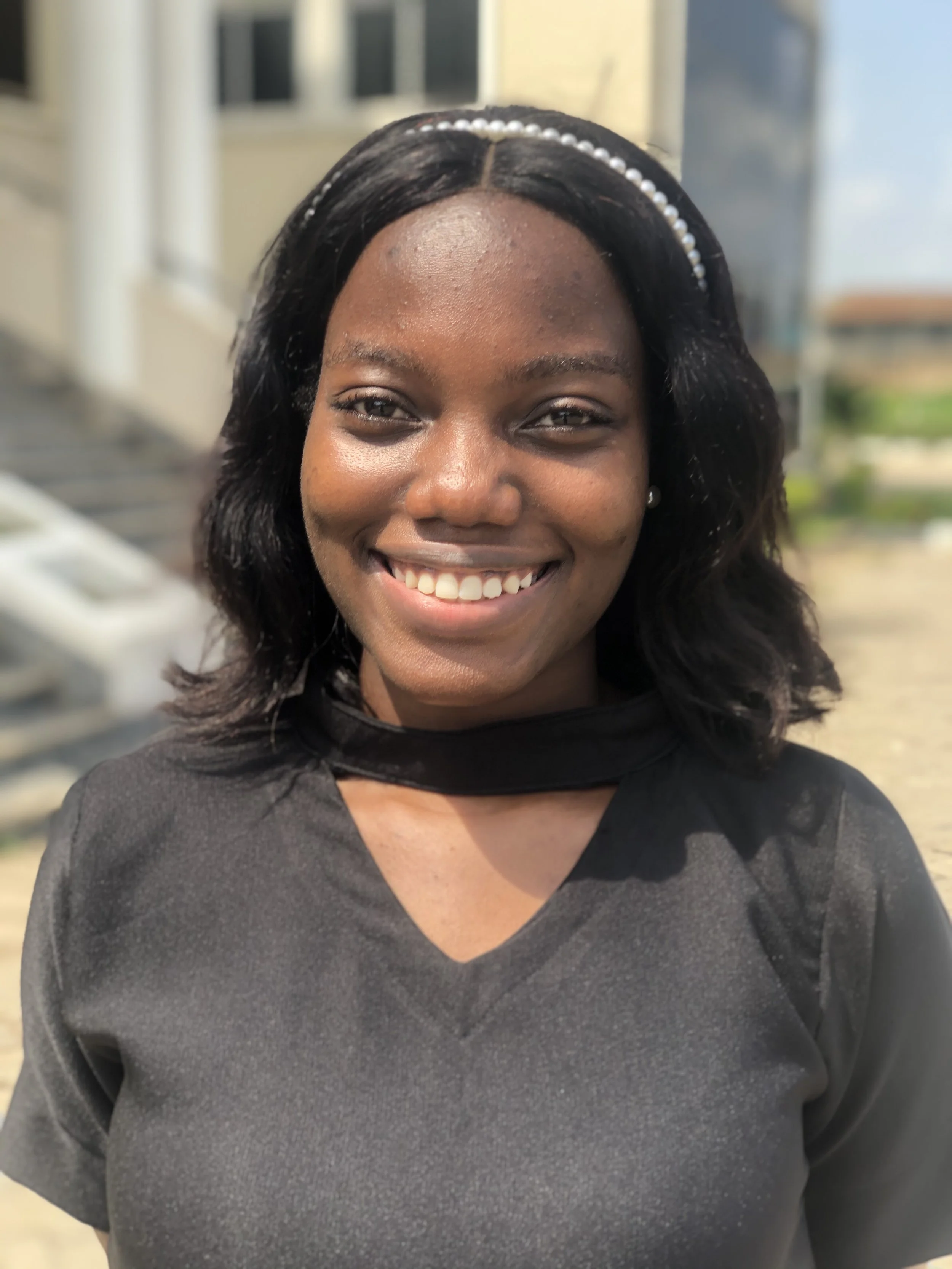
Mayowa Ogunrinola, Student
Twitter: @la_mode_rn
I am Mayowa Ogunrinola, a prospective graduate of law who is highly innovative, goal oriented and a team player. As a student, I have held various leadership positions, ranging from being a member of the team who organized the first TedX event in my university, to being a member of the Student body. My interest areas are compliance, trust and safety, brand safety, privacy, project management and web3. I am also well acclimated with dispute resolution techniques with particular focus on mediation. I look forward to taking more volunteer roles, employment and internship opportunities, and research tasks from startups, corporate and professional firms. My drive is simple: tech for all serves all. This goal takes into cognizance the diversity of tech, if tech is prepared to serve all, catering to every peculiarity, it will serve all.

Nividha Jadeja, Data Scientist
I'm a Data Scientist building models that minimise algorithmic bias, helping people with non-tech background develop skills to transition into Technology.

Rachel Wang, Student at Rensselaer Polytechnic Institute, member of Design for America
Rachel (she/they) is an aspiring digital product designer and creative technologist. She is a rising senior at Rensselaer Polytechnic Institute, pursuing a BS in Information Tech with a concentration in human-computer interaction and visual design (communication). They are passionate about equity-centered design and Responsible Tech for a more accessible and sustainable world.
How does the narrative need to change in the responsible tech space?
“The Responsible Tech narrative needs to center the voices and perspectives of folks from historically marginalized communities. Tech alone can’t solve societal issues at large: we need to address existing challenges in inequity and oppression to ensure the technology we build and use is responsible. Technical literacy should be taught to everyone. We need improved, modernized tech policy and informed policymakers. Equity-centered and accessible design needs to be built into the foundations of both design/tech education and practice, not tacked on as an afterthought.”
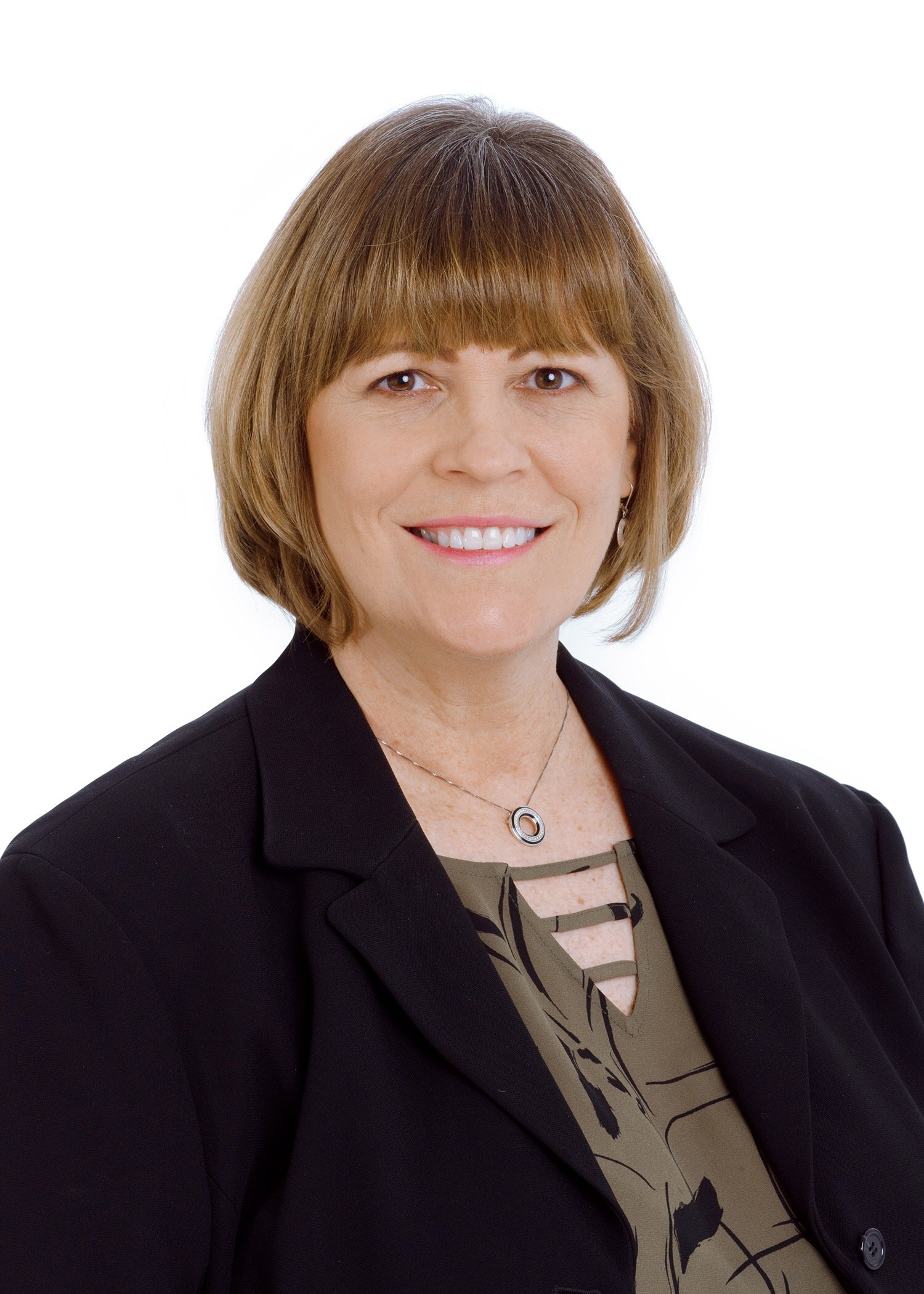
Robyn Lyn, Researcher/Lecturer at the University of Houston
Twitter: @RobynLyn
Robyn Lyn (she/her/hers) is a researcher, educator, and communication scholar researching challenges that disproportionately impact under-served, marginalized, and disenfranchised communities. Her scholarship focuses on equity consciousness with interests in humanizing tech by integrating empathy, inclusion, accessibility, diversity, and belonging into all spaces, products, and services. Additionally, she researches the connection between moral panics, bias, and the amplification of fear created on social media platforms and tech solutions for eliminating the potential for manipulation while mitigating trauma within vulnerable communities.
How does the narrative need to change in the responsible tech space?
“Center equity and the voices of those who are silenced and ignored in every aspect across all spaces. We will not experience substantive change until communities who are the most traumatized by the inherent biases and discrimination baked into the AI systems are included in every conversation where empathic leadership allows individuals to be listened to, believed, and their recommendations acted upon promptly and systematically globally.”

Tiberiu Toca, Undergraduate Student / Teaching Assistant (TA) at the University of Bristol
Twitter: @tiberiu_toca
Undergraduate student with 2 years of experience in leadership, teamwork, programming, design and research. Strong organizational abilities with proven successes in managing multiple academic projects and extracurricular events. Well-rounded and professional team player dedicated to continuing academic pursuits at an undergraduate level and following up at a postgraduate level in the near future. Currently focused on cultivating an ethical mindset to technology to be able to build a humane-first company and products throughout my career.
How does the narrative need to change in the responsible tech space?
“Most technologists in the workplace today were most likely not even exposed to the social sciences or philosophical aspects of their future professions throughout their formal education. I strongly believe that this should change. As technology ethics issues continue to be of public interest, I think that most universities should start offering more courses on technology ethics and make them compulsory for students to graduate with degrees in STEM disciplines.”

Tsz Wing Li, Research Assistant at Hong Kong Baptist University
Twitter: @tszwinglitw
Tsz Wing is a research assistant from Hong Kong with an enthusiasm for the intersection between society and technology, particularly privacy, security, and trust and safety issues in the digital space. He works with civil society organizations to promote digital security practice and culture. He recently graduated from the Chinese University of Hong Kong with a degree in Journalism and Communication and is pursuing further academic opportunities.
How does the narrative need to change in the responsible tech space?
“Issues related to ethics and user experience should enjoy more attention or play a more central role in STEM education. Existing curricula may equip students with high proficiency in thinking and solving problems from a technical perspective but miss out on opportunities to cultivate students’ abilities or instincts to evaluate technical design choices from a socially-responsible and value-sensitive perspective. Value-sensitive design principles such as "privacy by design" should be normalized in the development of technology products and solutions.”